
Pruning
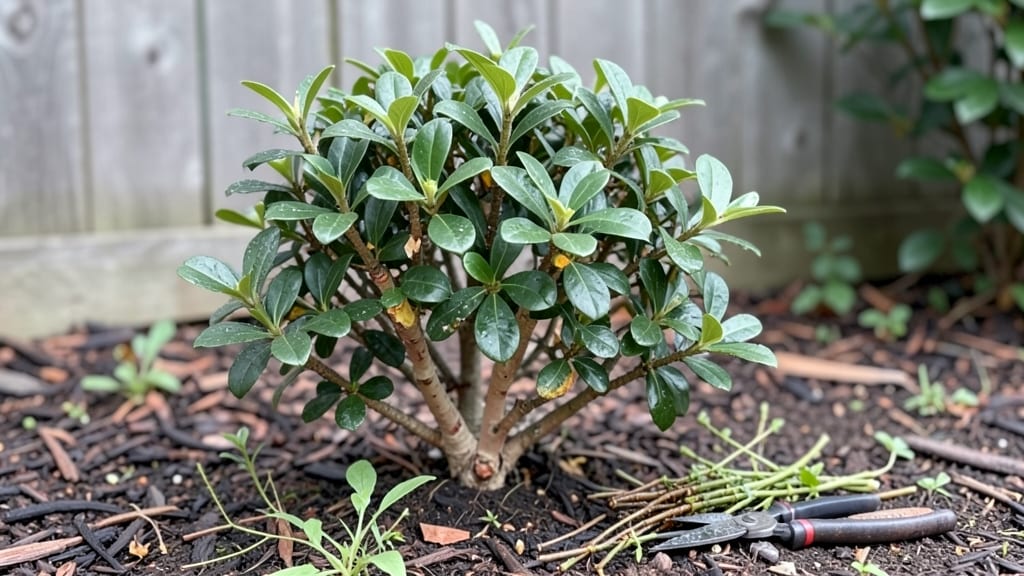
Pruning euonymus plants transforms them from scraggly to stunning—it’s the difference between a wild hedge and a neat, manicured showpiece. I’ve spent years shaping mine, and the key is timing: late winter or early spring for major cuts, light trims in summer, and minimal work in fall.
The right approach keeps your euonymus healthy, dense, and full of vibrant foliage.
You’ll need just three tools: sharp bypass pruners for clean cuts, loppers for thicker branches, and a small saw if you’re dealing with stubborn stems. Always sterilize your tools with rubbing alcohol to prevent disease spread—trust me, that’s a game-changer for long-term plant health.
Start by removing dead or crossing branches first, then shape from the bottom up.
The payoff comes fast: after a proper pruning, your euonymus will burst with fresh, velvety-green growth by midsummer. The secret is cutting just above a leaf node at a 45-degree angle to encourage new shoots.
For rejuvenation, you can even take it back to the ground in early spring—it’ll bounce back stronger than ever.
This works for both boxwood-like euonymus varieties and the sprawling types. Whether you’re trimming a formal hedge or a loose, natural shape, the same principles apply. Let’s get those shears moving!
📚 In This Guide
- What you need
- Instructions
- Tips and common mistakes
- Wrapping up and next steps
What you need
- ● Pruning shears: Bypass pruners (for clean cuts on stems up to ½ inch thick). Recommended: Felco F-2 or Corona Classic.
- ● Loppers: For thicker branches (½–1.5 inches). Look for ratcheting loppers (e.g., Fiskars X28) for easier cutting.
- ● Hedge shears: Adjustable aluminum or anvil shears (e.g., Fiskars Ergo) for shaping hedges or dense foliage.
- ● Pruning saw: Curved-tooth saw (e.g., Bahco or Felco) for stubborn, woody stems.
- ● Gloves: Heavy-duty, cut-resistant gloves (e.g., Mechanix or Wolverine) to protect from thorns and sap.
- ● Disinfectant: 70% isopropyl alcohol or bleach solution (1 part bleach to 9 parts water) to sterilize tools between cuts.
- ○ Pruning sealant: Optional but helpful (e.g., Tanglefoot Tree Wound Pruning Sealer) for large cuts to prevent disease.
- ● Ladder or step stool: Sturdy, non-slip (e.g., Little Giant or Werner) for hard-to-reach branches.
- ● Trash bags: Heavy-duty contractor bags (e.g., 30-gallon Hefty) for debris cleanup.
- ● Handheld leaf blower: Speeds up cleanup (e.g., Sun Joe CWMOE2).
- ● Measuring tape: For precise spacing in hedge pruning.
- ● Plant food: Balanced fertilizer (10-10-10 or 20-20-20) to revive the euonymus post-pruning.
- ● Safety glasses: Protects eyes from debris (e.g., DeWalt safety glasses).
Instructions for pruning euonymus plants year-round
Here’s how to keep your euonymus thriving with precise, seasonal trims that encourage lush, healthy growth.
Prepare Tools and Assess the Plant
Start by gathering your tools: a pair of clean, sharp pruning shears for smaller branches and a pruning saw for thicker stems. I always sterilize my tools with rubbing alcohol to prevent spreading disease between cuts. Euonymus responds best to pruning when tools are sharp—dull blades tear rather than cleanly cut, which invites infection.
Examine the plant closely for dead, diseased, or crossing branches. Look for stems that rub against each other or grow inward—they’ll compete for sunlight and weaken the plant. Also, check for any branches that are brown, brittle, or devoid of leaves. These are your first targets for removal. Healthy growth shows vibrant green leaves and firm stems that bend slightly without snapping.
Prune for Shape and Airflow in Late Winter
Late winter, just before new growth begins, is the ideal time to shape your euonymus. Focus on removing up to one-third of the oldest wood to encourage fresh, vigorous growth. Cut just above a leaf node or bud, making the cut at a 45-degree angle to allow water to run off. This angle also exposes more surface area for healing.
Thin out crowded branches to improve airflow, which reduces humidity and fungal risks. Euonymus can handle some hard pruning, but avoid overdoing it—too many cuts at once stress the plant. Step back frequently to check your progress. The goal is an open, airy structure that lets sunlight reach the center. If you’re unsure, prune conservatively and always leave more for next time.
Light Maintenance Pruning in Spring and Summer
During the growing season, focus on light maintenance: removing any dead or diseased branches as soon as you spot them. Euonymus grows quickly, so check for branches that have outgrown their space or are growing in an unsightly direction. Pinch back new growth to encourage bushier growth—just snip the tips of the youngest stems with your fingers or shears.
Watch for suckers or unwanted shoots at the base of the plant. These compete with the main structure for nutrients. Remove them immediately to redirect energy to the desired shape. In summer, if your euonymus looks leggy, you can lightly trim the tips of the longest branches to promote fuller growth. Avoid heavy pruning now, as it can stimulate tender new growth that’s vulnerable to frost.
Clean Up and Prevent Disease in Fall
Fall is the time to tidy up, not to shape. Remove any dead, diseased, or weak branches that have appeared over the past year. Sterilize your tools between cuts if you’re working with diseased wood. Euonymus is generally hardy, but fallen leaves and debris can harbor pests or fungi, so clear them away from the base of the plant.
Prune any branches that have produced seed pods if you want to control spread, though euonymus isn’t invasive. Avoid heavy pruning in fall, as new growth won’t have time to harden off before winter. Instead, focus on creating a clean, healthy structure that will emerge stronger in spring. A light layer of mulch around the base helps protect the roots from temperature swings.
Monitor and Adjust Year-Round
Euonymus is forgiving, but consistent care keeps it looking its best. Check your plant monthly for signs of stress, like yellowing leaves or stunted growth. These can signal over-pruning, underwatering, or pest issues. If you notice new growth is sparse or weak, you may have pruned too aggressively in the past—scale back next time.
Adjust your pruning approach based on the plant’s response. For example, if your euonymus grows more vigorously on one side, prune that side more heavily to balance the shape. Always prune just after a leaf node or bud, and avoid cutting into old wood unless necessary. With time, you’ll develop an eye for how much to trim while keeping the plant healthy and full.
Tips & tricks for perfect euonymus plant pruning
These targeted tips will help you maintain a thriving euonymus with minimal stress to the plant while maximizing its beauty year-round.
Tool Preparation: Always sterilize your pruning tools between cuts, especially when dealing with diseased branches. I keep a small bottle of rubbing alcohol handy to wipe down shears after every 3-4 cuts. This simple step prevents cross-contamination that could spread fungal infections or bacterial diseases through your plant. Sharp tools are equally critical—dull blades crush stems rather than making clean cuts, which invites infection and slows healing.
Seasonal Timing Strategy: The late winter shaping in Step 2 is your best opportunity for major structural changes. Focus on removing up to one-third of the oldest wood to stimulate new growth, but never exceed this amount in a single session. I've learned the hard way that euonymus can handle some hard pruning, but aggressive cuts stress the plant. For best results, make your cuts just above a leaf node at a 45-degree angle—this promotes faster healing and prevents water from pooling at the cut site.
Visual Pruning Cues: When assessing your plant in Step 1, look for these visual clues: healthy stems should bend slightly without snapping, while dead branches will be brittle and snap easily. For shape pruning in Step 2, step back frequently to visualize the plant's structure—this helps you see where branches are competing for sunlight. In summer maintenance, leggy growth indicates you should lightly trim the longest branches to encourage bushier development, but avoid cutting into old wood unless absolutely necessary.
Disease Prevention: Fall cleanup in Step 4 is crucial for preventing winter diseases. Remove all fallen leaves and debris from around the plant's base, as these can harbor fungal spores. I've found that a light layer of mulch (2-3 inches) around the base helps protect roots from temperature fluctuations while keeping the area clean. Sterilizing tools between cuts when dealing with diseased wood is particularly important—this one habit has saved my euonymus from multiple fungal outbreaks over the years.
Pro Tips for Euonymus Plant Pruning
- These targeted tips will help you maintain a thriving euonymus with minimal stress to the plant while maximizing its beauty year-round.
- Tool Preparation: Always sterilize your pruning tools between cuts, especially when dealing with diseased branches.
- Seasonal Timing Strategy: The late winter shaping in Step 2 is your best opportunity for major structural changes.
Frequently asked questions
Got questions about pruning your euonymus?
You’re not alone! Whether you're a new plant parent or a seasoned gardener, these FAQs will help you keep your euonymus thriving with confidence.
When is the best time to prune euonymus?
Prune euonymus in late winter or early spring (before new growth starts) for shaping and rejuvenation. Light trimming can also be done in summer to control size, but avoid heavy cuts then. Never prune in fall—it can stimulate tender new growth vulnerable to frost damage. Timing is key!
How much can I trim a euonymus plant?
For established euonymus, you can safely remove up to 25-30% of the foliage in one session without stressing the plant. For overgrown or neglected bushes, prune gradually over 2-3 years to avoid shock. Focus on dead, diseased, or crossing branches first—these should go year-round!
What if my euonymus doesn’t bloom after pruning?
Euonymus blooms are not a major concern—most varieties focus on foliage and berries (like the striking red capsules of Euonymus alatus). If you’re referring to spring flowers, prune after blooming to preserve next year’s blossoms. No blooms? Check for over-pruning or nutrient deficiencies (fertilize lightly in spring!).
Can I shape euonymus into a topiary or hedge?
Euonymus is fantastic for topiary and hedges due to its dense, compact growth. Use hand pruners or shears for clean cuts, and prune regularly (every 4-6 weeks in growing season) to maintain shape. For formal topiary, train young plants with wire frames or string guides.
My euonymus leaves are turning yellow—did I prune wrong?
Yellowing leaves often signal over-pruning or stress, but they can also mean underwatering, pests, or disease. If pruning was recent, reduce trimming and focus on watering deeply (1-2 inches per week). Check for scale insects or spider mites on undersides of leaves. Pro tip: Fertilize lightly with balanced 10-10-10 in spring if growth seems weak.
Are there alternatives to pruning for controlling euonymus size?
Yes! For slow growth, try:
- Root pruning: Dig around the edges to restrict root spread (best in early spring).
- Thinning: Remove entire branches at the base (not just tips) to open up the center.
- Mulching: Apply 2-3 inches of mulch to retain moisture and discourage vigorous growth.
Wrapping up and next steps
Mastering euonymus plant pruning is your ticket to lush, vibrant foliage year-round! By following the right timing, techniques, and tools—like sterilized shears and sharp pruners—you’ll encourage healthy growth and stunning shapes. Whether you’re shaping hedges or trimming individual plants, consistency and care make all the difference.
Ready to give your euonymus the love it deserves? Grab your tools and start pruning today! 🌿✂️ For even more tips, explore our pruning guide or share your progress with the gardening community—you’ve got this!