
Pests
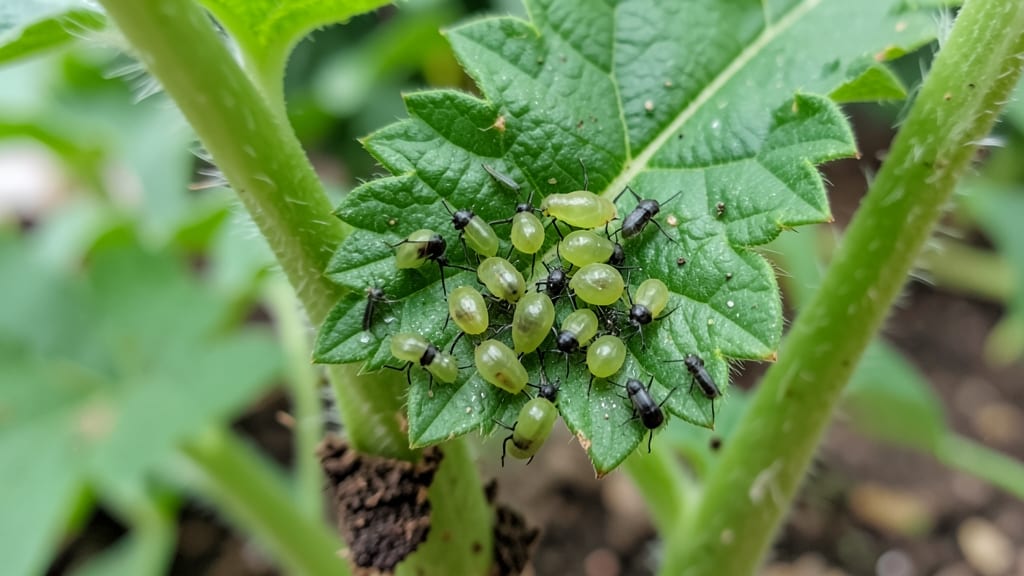
When aphids turn your tomato plants into sticky, curled messes, this natural spray recipe stops them in their tracks—often within 24 hours. 🌱 I’ve battled these tiny sap-suckers for years, and the secret isn’t harsh chemicals but a targeted blend that aphids can’t resist.
The key? A mix that disrupts their feeding while keeping your plants—and pollinators—safe.
The first step is identifying the problem: clusters of tiny green, black, or white bugs on new growth or under leaves. Most store-bought sprays miss the mark because they don’t address the aphids’ weak spots—like their waxy coating and attraction to fresh tomato shoots.
My go-to spray uses 1 teaspoon of pure neem oil, 1 tablespoon of mild castile soap, and a quart of water, applied in the early morning when aphids are sluggish.
Within a day, you’ll see fewer aphids clinging to your plants, and the new growth will start looking firm and green again. The spray also deters future infestations by masking the plant’s scent—aphids rely on it to find their next meal.
Plus, it’s safe to use every 5-7 days if needed, unlike chemical sprays that harm beneficial insects.
For stubborn cases, add a garlic or chili pepper infusion to the mix—aphids hate the strong aroma. The best part? This method works just as well on peppers, roses, and other aphid magnets in your garden. Let’s get those tomatoes thriving again.
Root Causes of Aphid Infestations
Aphids may seem like tiny, harmless pests, but they thrive on tomato plants for a reason—your garden’s health and environment often unwittingly invite them. Understanding why these sap-sucking insects show up helps you tackle the problem at its source.
Below, we break down the key factors that turn your tomato plants into an aphid buffet.
🌱 Aphids love stressed plants—think of them as vultures for your garden.
Tomato plants that are nutrient-deficient, overcrowded, or diseased release volatile organic compounds (VOCs) that aphids can smell from a distance.
These pests are attracted to: - Nitrogen-rich foliage (too much fertilizer = softer, sweeter leaves = aphid heaven). - Young, tender shoots (new growth is their favorite snack). - Root damage or poor drainage (weak roots = weaker defenses).
Aphids also target plants recovering from transplant shock or drought stress. If your tomatoes look wilted, yellow, or stunted, they’re sending out a distress signal that aphids can’t resist.
💦 Moisture = aphid high-rise living.
Aphids thrive in humid, damp conditions because:
- Excess water softens plant tissue, making it easier for them to pierce and feed.
- Stagnant water (especially in container gardens) attracts their natural predators’ enemies—like fungal diseases that aphids spread.
- Morning dew + aphids = sticky honeydew (their waste), which fosters sooty mold—a black fungal growth that further weakens plants.
Pro tip: Water at the base of the plant (not overhead) and ensure pots have drainage holes to avoid turning your garden into an aphid spa.
🐞 Aphids multiply fast when their enemies disappear.
In a balanced ecosystem, ladybugs, lacewings, parasitic wasps, and birds keep aphid populations in check. But if your garden lacks:
- Diverse plantings (aphids target monocultures like tomatoes in a row).
- Wildlife-friendly features (birdhouses, bee baths, or native flowers).
- Beneficial insects (due to pesticides or habitat loss).
Aphids can explode in numbers when their predators vanish. Even a single queen aphid can produce hundreds of offspring in weeks without interference.
🌡️ Heat + food = aphid party time.
Aphids reproduce asexually (no males needed), and warm temperatures (especially 70–85°F) speed up their lifecycle. Combine that with:
- Overly lush, bushy tomato plants (aphids hide in dense foliage).
- Poor air circulation (traps humidity and aphids together).
- Late-season stress (when plants are overloaded with fruit).
Fun fact: Some aphids even clone themselves to colonize faster—making early intervention critical.
🔄 One wrong move can spread aphids like wildfire.
Aphids hitchhike on:
- Garden tools (pruners, stakes, or even your hands).
- Weeds or volunteer plants (like dandelions or milkweed).
- Nearby crops (peppers, basil, or roses often share the same pests).
If you’ve moved plants from an infested area or shared tools without cleaning them, you’ve likely introduced aphids to your tomatoes.
Aphids don’t attack healthy, resilient tomato plants—they target weakness, abundance, and opportunity. The good news? Fixing these root causes (better watering, predator-friendly gardens, and strong plant care) makes your tomatoes less appealing to aphids long-term.
Once you address why they’re there, your natural sprays will work even faster. 🚀
Quick Fixes for Aphid-Infested Tomatoes
Aphids may be tiny, but they pack a big punch—sucking the life out of your tomato plants and leaving behind sticky residue that can attract mold or pests. The good news? You don’t need harsh chemicals to tackle them.
Below are targeted solutions based on the root cause of your aphid problem, plus prevention tips to keep your plants thriving. Let’s get those tomatoes back to their happy, pest-free selves!
Aphids love weak, crowded, or nutrient-starved plants because they’re easier to feed on. If your tomatoes are struggling, they’re basically an all-you-can-eat buffet for these pests.
How to Fix It:
- 🔥 Prune for Airflow – Trim back overgrown leaves and branches to improve circulation. Aphids thrive in dense foliage where sprays can’t reach.
- 💧 Water at the Base – Avoid wetting leaves, as moisture attracts aphids. Use a drip irrigation system or water early in the morning.
- 🌱 Feed Your Plants – A balanced fertilizer (high in nitrogen for early growth, then potassium for fruit development) strengthens stems and leaves, making them less appealing to aphids.
💡 Pro Tip: If you notice yellowing leaves or stunted growth, your plants may be phosphorus-deficient. A quick fix? Crushed eggshells (calcium) or a compost tea boosts resilience.
Aphids reproduce fast—a single female can birth 80+ nymphs in a week! If you’ve spotted clusters on stems or undersides of leaves, act now before the infestation spreads.
How to Fix It:
- 👨🍳 Homemade Soap Spray (Best for Light Infestations) Mix 1 tbsp mild liquid soap (like Castile) + 1 quart water in a spray bottle. Test on a small leaf first—soap can burn tender plants. Spray directly on aphids (not just leaves) until they drop off. Reapply every 3–4 days until gone.
- 🥘 Neem Oil (Natural Repellent & Killer) Combine 1 tbsp neem oil + 1 tsp dish soap + 1 quart water. Shake well and spray early morning or late evening (avoid direct sun—it can burn leaves).
Neem disrupts aphid life cycles and deters new arrivals. Reapply weekly for prevention.
- 🔪 Blast Them Off (Mechanical Removal) For small patches, hose them down with a strong stream of water. Or, dip a cotton swab in rubbing alcohol and dab individual clusters (aphids die instantly). Do this every 2–3 days until the colony is gone.
✨ Pro Tip: Introduce ladybugs or lacewings (natural predators) to your garden. Release them at dusk—they’ll feast on aphids overnight!
Aphids excrete honeydew, a sugary goo that attracts ants and sooty mold. If your tomato leaves look like they’ve been rained on with syrup, it’s time to clean up.
How to Fix It:
- 🧼 Wipe Down Leaves – Use a damp cloth or sponge to gently remove honeydew. Avoid harsh scrubbing—it can damage leaves.
- 🚫 Block Ant Trails – Ants “farm” aphids for honeydew. Sprinkle diatomaceous earth or crushed chalk near the plant base to disrupt their paths.
- 🌿 Encourage Ant Predators – Birds, parasitic wasps, and ground beetles love ants. Plant marigolds or basil nearby to attract these helpers.
🎯 Pro Tip: If sooty mold appears (black fuzzy spots), prune infected leaves and spray with 1 tsp baking soda + 1 quart water + a few drops of soap. This fungal growth thrives on honeydew—removing it stops the cycle.
Once you’ve kicked aphids out, lock the door with these long-term strategies:
- 🌱 Plant Companion Crops – Aphids hate garlic, chives, or marigolds. Interplant them near tomatoes to repel pests naturally. - 🕯️ Use Reflective Mulch – Aluminum foil or silver plastic mulch confuses aphids (they’re drawn to blue/purple wavelengths).
Wrap it around the base of your plants. - 🌿 Rotate Crops – If you grew tomatoes in the same spot last year, aphids may still be lurking in the soil.
Move them to a new area. - 🔍 Inspect New Plants – Always quarantine new seedlings or transplants for 2 weeks before adding them to your garden. Aphids often hitch a ride on healthy-looking plants.
💡 Pro Tip: Aphids despise strong scents. Spritz your plants with water + a few drops of peppermint or citrus essential oil weekly as a deterrent.
Final Thought: Aphids are annoying, but they’re not invincible. With consistent action (sprays, pruning, and prevention), your tomato plants will bounce back stronger—and you’ll enjoy juicy, pest-free harvests in no time! 🍅💪
Frequently asked questions
Will neem oil harm my tomato plants if used too often?
Neem oil is safe when used correctly, but overuse can stress plants. Stick to every 7-10 days max, and always mix it with 1 tsp mild soap per quart for proper adhesion. Avoid spraying during peak sun hours—it can cause leaf burn. For heavy infestations, alternate with soapy water sprays to reduce plant exposure.
Why do aphids keep coming back even after I spray?
Persistent aphids usually mean you're missing their hiding spots or not addressing root causes. Check undersides of leaves, new growth tips, and leaf axils where they cluster. Also verify if nearby plants (like basil or peppers) are harboring them. Combine sprays with pruning crowded growth and removing weeds—aphids thrive in dense, stressed environments.
Can I use dish soap instead of Castile soap for aphid sprays?
Yes, but choose a mild, fragrance-free dish soap (like Dawn). Avoid harsh detergents that can damage leaves. The key is 1 tablespoon per quart of water—test on a small leaf first. For extra potency, add 1 teaspoon of vegetable oil to help the soap cling better to aphids' waxy bodies.
How do I know if aphids are damaging my tomato fruit?
Look for stunted growth, curled leaves, or yellowing—these are early signs. On fruit, check for aphid trails or honeydew (sticky residue). If you see black sooty mold (fuzzy black spots), the infestation has progressed. The good news: Aphids rarely eat fruit—they prefer tender new growth. Focus on leaves and stems first.
Are there any plants that naturally repel aphids I can grow near tomatoes?
Plant garlic, chives, marigolds, or nasturtiums nearby—their strong scents confuse aphids. Basil also works as a companion plant while being edible. For maximum protection, create a 3-foot barrier of these plants around your tomato patch. Even better, interplant them directly with tomatoes for continuous defense.