
Diseases
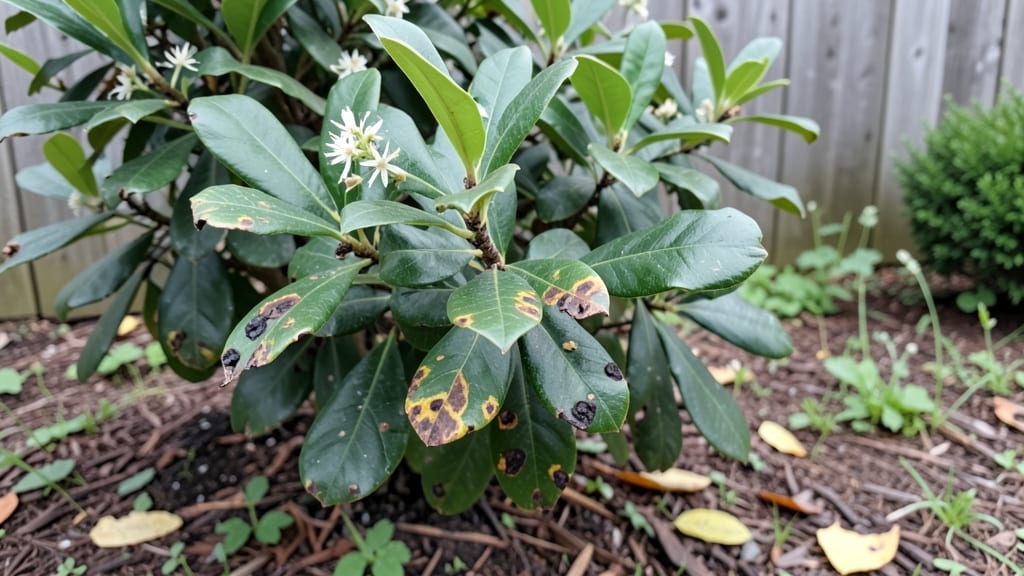
If your laurel plant’s leaves start spotting or yellowing, you’re battling laurel plant diseases—and the key is acting fast before they wreck your glossy evergreen. 🌿 I’ve fought these same foes, and early action saves the day. a sad, skeletal shadow of itself.
The good news? Most common laurel diseases respond quickly to the right treatment when you know what to look for.
Powdery mildew, bacterial leaf spot, and root rot top the list of troublemakers, each leaving its own telltale marks. The first step is identifying the culprit: is it white fuzzy patches, dark brown spots with yellow halos, or wilting despite regular watering?
Once you spot the symptoms, you’ll need to act within 7-10 days to stop the spread—pruning infected leaves, adjusting watering habits, or applying organic sprays like neem oil or copper fungicide.
What you’ll gain is a laurel that stays vibrant and healthy all season long. The secret isn’t complicated—it’s consistent care, quick action, and knowing which treatments work best for each type of infection. With the right approach, you’ll have your plant looking lush and disease-free in just a few weeks.
This works for both indoor and outdoor laurels, no matter your gardening experience level. Let’s get your plant back to its glossy, thriving best—fast.
Root Causes Of Laurel Woes
Laurel plants, with their glossy leaves and aromatic charm, can fall prey to diseases just like any other plant. Understanding why these issues arise is the first step to prevention and treatment. Below, we break down the most common culprits behind laurel plant diseases, from fungal invaders to environmental stressors.
Fungi thrive in moist, stagnant conditions, making them a top threat to laurel plants. The most common fungal diseases affecting laurels include anthracnose, powdery mildew, and root rot. Here’s why they strike:
- Excessive Moisture: Laurels love well-draining soil, but soggy roots create the perfect breeding ground for fungi. Overwatering, poor drainage, or heavy rainfall without proper airflow encourages fungal spores to germinate and infect leaves, stems, and roots. Pro tip: 🌡️ Always check soil moisture with your finger—if the top 2 inches are damp, wait before watering again.
- Poor Air Circulation: Dense foliage or crowded plantings trap humidity, giving fungi like powdery mildew (a white, powdery coating on leaves) the upper hand. Laurels in shaded or enclosed spaces are especially vulnerable. Pro tip: ✨ Prune regularly to improve airflow and consider spacing plants 3–5 feet apart.
- Stress from Environmental Shifts: Sudden changes in temperature, humidity, or light can weaken a laurel’s defenses, making it easier for fungi to latch on. For example, cold nights followed by warm, humid days create ideal conditions for anthracnose, which causes dark, sunken lesions on leaves. Pro tip: 🌡️ Monitor weather forecasts and mulch to stabilize soil temperature.
While pests themselves aren’t diseases, they often open the door for infections. Insects like scale insects, aphids, and spider mites feed on laurel sap, weakening the plant and leaving it susceptible to secondary fungal or bacterial invaders. Here’s how they pave the way:
- Honeydew Buildup: Aphids and scale insects excrete sticky honeydew, which attracts sooty mold—a black, fuzzy fungus that coats leaves and blocks sunlight. This stress makes the plant more prone to other diseases. Pro tip: 🔥 Blast pests off with water or use insecticidal soap to break their life cycle early.
- Physical Damage: Chewing insects (like caterpillars or borers) create wounds that let pathogens slip inside. For example, laurel wilt disease (caused by the Raffaelea lauricola fungus) spreads through beetle bites, turning leaves black and killing the plant within months. Pro tip: 👨🍳 Inspect new plants for signs of beetles or boreholes before bringing them home.
Laurels are tough, but they’re not immune to environmental factors that compromise their health. When stressed, their natural resistance drops, making them easy targets for diseases. Common triggers include:
| Factor | Why It Causes Problems | Actionable Fix |
|---|---|---|
| 💦 Overwatering or Underwatering | Root rot from excess water or drought stress (yellowing leaves, wilting) weakens the plant’s immune system. | Water deeply but infrequently (every 1–2 weeks, depending on climate) and amend soil with compost for better retention. |
| ☀️ Improper Light Exposure | Too much sun causes leaf scorch (brown edges), while too little light leads to leggy growth and weak stems. | Most laurels prefer partial shade—6 hours of filtered sunlight daily. Use shade cloth in hot climates. |
| 🌬️ Nutrient Deficiencies | Lack of nitrogen, iron, or magnesium (seen as yellowing between veins) starves the plant, making it vulnerable to infections. | Test soil and fertilize with a balanced 10-10-10 or iron chelate in early spring. |
By tackling these root causes—whether it’s fungal spores, pest damage, or environmental stress—you’ll give your laurel the best shot at staying healthy and disease-free. Stay vigilant, and your plant will reward you with lush, vibrant growth!
Quick Fixes for Laurel Plant Woes
Now that you’ve identified the issue plaguing your laurel plants, it’s time to roll up your sleeves and restore their lush, vibrant health! Below are practical, step-by-step solutions tailored to each common disease, plus prevention tips to keep future problems at bay.
Cause: Overcrowded foliage, poor airflow, or excess moisture. Fix: Act fast before spores spread!
🔥 Remove Infected Leaves (Prune & Toss)
- 👨🍳 Snip leaves with visible powdery white residue or dark spots using sterilized pruners (wipe with rubbing alcohol between cuts).
- 🗑️ Dispose of clippings in the trash (not compost)—fungal spores can linger!
🌡️ Boost Air Circulation
- 💨 Thin out dense branches to improve airflow (aim for 6–12 inches between leaves).
- ✨ Consider a fan on low speed near potted laurels if humidity is high.
🎯 Fungicide Treatment (Natural or Store-Bought)
- 💡 DIY spray: Mix 1 tsp baking soda + 1 quart water + a drop of dish soap (spray undersides of leaves weekly).
- 🛒 Store-bought: Use neem oil or a copper-based fungicide (follow label instructions).
Prevention Pro Tips: ✅ Water at the base (avoid wetting leaves) in the early morning so foliage dries quickly. ✅ Space plants 3–5 feet apart in gardens to prevent humidity buildup. ✅ Avoid overhead irrigation—drip systems or soaker hoses are your friends!
Cause: Dry conditions, weak plants, or poor hygiene. Fix: Target the pests and restore plant vigor.
🔪 Blast Off Pests with Insecticidal Soap
- 🍳 Mix: 1 tbsp mild liquid soap (like Castile) + 1 quart water.
- 🥘 Spray thoroughly on all leaf surfaces (especially undersides) every 3–5 days for 2 weeks.
- ⏰ Best time: Early morning or late evening (avoid direct sun to prevent leaf burn).
🌿 Introduce Beneficial Predators
- 🐞 Ladybugs or lacewings (available at garden centers) will devour mites and scale naturally.
- 🌿 Neem oil (2 tsp per quart water) disrupts pests’ life cycles—spray weekly until gone.
💡 Revive the Plant
- 💧 Hydrate by watering deeply (but not soggy) and fertilize lightly with a balanced 10-10-10 formula to boost resilience.
Prevention Pro Tips: ✅ Mist leaves occasionally in dry climates to deter mites. ✅ Inspect new plants before bringing them home—quarantine for 2 weeks if pests are spotted. ✅ Prune regularly to remove pest hiding spots.
Cause: Soggy soil, poor drainage, or waterlogged pots. Fix: Drain the damage and reset the roots!
🚿 Drain & Dry the Soil
- 🔥 Stop watering immediately and let the soil dry out completely (may take 1–2 weeks).
- 🌧️ Check drainage: If potted, ensure pots have drainage holes. In gardens, amend soil with perlite or sand for better aeration.
🌱 Repot (If Needed)
- 🔪 Gently remove the plant from its pot and trim any mushy, black roots with sterilized shears.
- 🌿 Repot in fresh, well-draining soil (a mix of potting soil + perlite + compost works well).
🌡️ Adjust Watering Habits
- 💧 Water only when the top 1–2 inches of soil are dry—stick your finger in to test!
- 🌧️ Use a moisture meter for accuracy (aim for 40–60% moisture in summer, less in winter).
Prevention Pro Tips: ✅ Raise pots off the ground (use saucers with drainage or pot feet) to prevent water pooling. ✅ Mulch around garden laurels (2–3 inches of wood chips) to regulate soil moisture. ✅ Avoid watering at night—wet foliage overnight invites fungal growth.
Cause: Contaminated tools, wounds, or splashing water. Fix: Isolate and sanitize aggressively—this one’s stubborn!
🗑️ Remove & Destroy Infected Parts
- 🔪 Cut out all blackened, oozing leaves/stems down to healthy tissue.
- 🔥 Sterilize tools with bleach or rubbing alcohol between cuts.
- 🗑️ Bag and trash infected debris immediately (do not compost).
💊 Copper-Based Bactericide
- 🛒 Use a fixed copper fungicide (like Copper Sulfate) as directed—apply every 7–10 days until new growth appears.
- 🌿 Avoid neem oil (it won’t work on bacterial infections).
🌱 Boost Plant Immunity
- 💪 Fertilize with a phosphorus-rich formula (like 5-10-10) to strengthen cell walls.
- 🌿 Prune for airflow—thin out branches to reduce humidity pockets.
Prevention Pro Tips: ✅ Sterilize pruners before and after each use (even for healthy plants!). ✅ Water at the base and avoid overhead sprinklers. ✅ Rotate crops if growing laurels in vegetable gardens to break disease cycles.
💡 Final Reminder: Consistency is key! Monitor your laurels weekly, especially after treatment, and act at the first sign of trouble. With these fixes, your plants will bounce back—and stay resilient against future invaders!
Frequently asked questions
Why do my laurel leaves turn yellow first between the veins?
Yellowing between veins usually signals an iron deficiency (chlorosis) or fungal stress like anthracnose. Check soil pH—laurels prefer 6.0-7.0. If fungal, prune infected areas and apply copper fungicide every 7 days until new growth appears.
Can I save a laurel with blackened, oozing stems?
That’s likely bacterial leaf spot—a tough one to cure. Prune all infected stems down to healthy tissue and sterilize tools with bleach. Use copper-based bactericide (not neem oil) every 10 days for 4 weeks. Severe cases may need removal to prevent spread.
How often should I spray neem oil on my laurels?
Apply neem oil every 7-14 days during active growth (spring-fall) for prevention. For treatment, spray weekly for 3 weeks, then monthly. Always mix 2 tsp per quart of water and spray evenly on both leaf sides in the evening.
Are there disease-resistant laurel varieties?
Yes! Mountain laurel (Kalmia latifolia) and Cherry laurel (Prunus laurocerasus 'Rotundifolia') show better resistance to fungal diseases. For existing laurels, improve airflow and soil drainage—they’re your best defenses against most pathogens.
Can I use household vinegar as a fungicide?
Undiluted white vinegar (5% acidity) can help, but it’s harsh. Mix 1 part vinegar to 3 parts water and spray leaves (avoid soil). For better results, combine with 1 tsp baking soda to neutralize pH. Test on a small area first—some laurels may react.