
Watering
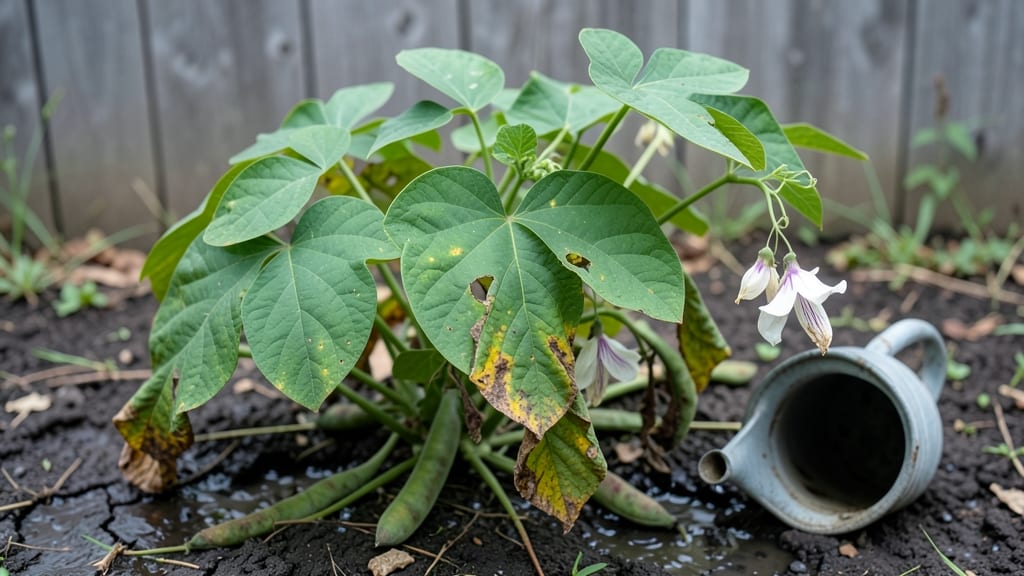
When your bean plants look more like sad, droopy noodles than thriving vines, overwatering’s usually the culprit. 🌱 I’ve pulled my share of soggy, yellowing plants back from the brink—and the fix is simpler than you’d think. The key is acting fast before root rot takes over.
Yellowing leaves, mushy stems, and soil that smells like a swamp? That’s your plant’s SOS signal. Beans need consistent moisture but hate soggy roots—think of it like a sponge: too much water, and it collapses.
The good news? You can turn things around in just a few days with the right adjustments.
First, stop watering entirely for 48 hours to let the roots breathe. Then, loosen the soil around the base to help air circulate. Prune any blackened stems or leaves—those won’t recover—and consider repotting if drainage is poor.
Within a week, you’ll see fresh green growth if the roots are still salvageable.
Prevention is even easier: water only when the top inch of soil feels dry, and use containers with drainage holes. A little neglect now keeps your beans happy all season—no more wilted stems or sad harvests.
Common Causes of Overwatering
When your bean plants start looking sad—yellowing leaves, mushy stems, or drooping foliage—it’s often a sign they’re getting too much love (and water). Overwatering isn’t always obvious, but understanding the root causes can help you adjust your care routine before it’s too late.
Here’s why it happens, broken down into clear, actionable reasons:
Beans thrive in well-draining soil, but if your garden beds or containers lack proper drainage, excess water pools around the roots, cutting off oxygen.
This creates a suffocating environment where roots can’t absorb nutrients or breathe. Clay-heavy or compacted soil is especially guilty—it holds water like a sponge, leaving roots waterlogged for days.
💡 Pro Tip: Test your soil’s drainage by filling a container with water, planting a bean seedling, and checking if water drains within 30–60 minutes. If not, amend the soil with perlite, sand, or compost to improve aeration.
Beans hate "hit-or-miss" watering. Skipping a day one week but drowning them the next confuses their root systems, leading to root rot or fungal infections. Surface-level watering (only wetting the top inch of soil) tricks plants into thinking they’re dry, prompting them to drink more—until they’re overwhelmed.
✨ Actionable Fix: Water deeply but infrequently. Aim for 1–1.5 inches of water per week (including rainfall), delivered at the soil base—not the leaves. Use a moisture meter to track soil dampness.
If your bean plants are crammed into small pots or containers, their roots have nowhere to escape excess moisture. Root-bound plants (where roots circle the pot) struggle to absorb water efficiently, leading to waterlogging. Even in gardens, overcrowded seedlings compete for space, slowing evaporation and trapping humidity around the stems.
🔥 Solution: Repot mature plants into containers 2–3 inches larger with drainage holes. For garden beds, space seedlings 3–4 inches apart to allow airflow and reduce humidity.
Beans need circulation—stagnant air (common in greenhouses, dense foliage, or shaded areas) traps moisture, slowing evaporation and promoting fungal growth like powdery mildew or Botrytis. Plastic pots or mulch piled too high can also suffocate roots by trapping heat and moisture.
🌬️ Quick Fix: Thin out dense plantings, prune nearby foliage to improve airflow, and avoid mulching too close to the stem. If using containers, opt for terracotta or fabric pots, which breathe better than plastic.
Not all watering methods are equal. Overhead sprinklers wet leaves, creating a damp surface that invites pests and diseases. Drip irrigation without a timer can lead to constant moisture, while hand-watering without checking soil often results in guesswork (and overdoing it).
Even ice cubes or snow (a trendy hack) can compact soil and reduce drainage.
👨🍳 Best Practices:
- Use a soaker hose or drip irrigation at the base of plants.
- Avoid watering in the evening—morning or late afternoon lets foliage dry faster.
- Collect rainwater (if clean) for a gentler, chemical-free water source.
Revive Your Plants Now
Overwatering can feel like a death sentence for bean plants, but don’t panic—many can bounce back with the right care! The key is acting fast to correct the damage while preventing future mistakes.
Below, we’ve mapped out practical fixes for each common cause of overwatering, plus prevention tips to keep your beans thriving.
Cause: Excess moisture suffocates roots, blocking oxygen and leading to rot. Fix:
- Pause watering for at least 3–5 days to let the soil dry out. Check moisture by sticking your finger 1–2 inches deep—if it’s damp, wait longer.
- Move plants to a shady spot (but not direct shade) to reduce evaporation stress while roots recover.
- Avoid misting leaves—this traps humidity and worsens fungal risks.
⚠️ Pro Tip: If the soil smells sour or slimy, root rot may have set in. In this case, you’ll need to repot the plant (see next step).
Cause: Waterlogged soil leads to mushy, discolored roots (brown/black = rot). Fix:
- Gently remove the plant from its pot and rinse roots with lukewarm water to wash away excess soil.
- Trim dead roots with sterilized scissors (cut cleanly at a 45° angle). Healthy roots should be firm and white.
- Repot in fresh, well-draining soil (mix 50% potting soil + 50% perlite or sand). Choose a pot with drainage holes—no exceptions!
💡 Prevention Tip: Use a moisture meter ($10–$15) to avoid guesswork. Aim for 40–60% moisture for beans—never soggy.
Cause: Overzealous watering (or poor drainage) keeps soil perpetually wet. Fix:
- Water deeply but infrequently: Bean plants prefer 1–1.5 inches of water per week, delivered in one long session (not daily sips).
- Use the "finger test": Stick your finger 2 inches into soil—water only when the top 1–2 inches are dry.
- Upgrade your pots: Terracotta or fabric pots wick away moisture better than plastic. Add a layer of gravel at the bottom for extra drainage.
✨ Pro Tip: Morning watering is best—it gives foliage time to dry before evening humidity spikes fungal risks.
Cause: Stressed plants need extra support to rebound. Fix:
- Fertilize lightly: Use a balanced, water-soluble fertilizer (10-10-10) diluted to half strength 1–2 weeks after repotting. Overfeeding now can harm weak roots.
- Support wilting stems: If stems are floppy but not mushy, prop them up with a small stake or tomato cage to prevent snapping.
- Monitor for pests: Overwatered plants attract aphids or spider mites. Spray with neem oil if you spot tiny bugs.
📊 Prevention Checklist: ✅ Soil mix: Always use fast-draining blends (avoid garden soil). ✅ Pot size: Choose a container only slightly larger than the root ball. ✅ Weather watch: Increase watering only if it’s hot and dry—beans hate soggy feet! ✅ Mulch lightly: Add 1 inch of straw to retain moisture without smothering roots.
🔥 Final Reminder: Patience is key! Revived bean plants may take 1–2 weeks to perk up fully. If leaves turn yellow or stems stay mushy, root rot is likely irreversible—start fresh with new seeds or cuttings.
Now grab your moisture meter and save those beans—your future harvest depends on it! 🌱💦
Frequently asked questions
How do I know if my bean plants are overwatered versus underwatered?
Check the soil first—stick your finger 1-2 inches deep. If it's damp or wet, you're overwatering. Overwatered beans show yellowing leaves, mushy stems, and drooping foliage that doesn't perk up when you water. Underwatered plants have crispy brown edges and dry soil pulling away from pot edges.
Can I save bean plants with root rot from overwatering?
Maybe! If only the tips are black but roots are mostly firm, trim the dead parts, repot in fresh drainage-heavy soil, and withhold water for 5 days. If roots are mushy and smell foul, the plant is likely beyond saving—start fresh with new seeds. Prevention is key: always use pots with drainage holes and water only when the top inch feels dry.
Why do my bean plants wilt after watering instead of perking up?
This classic overwatering sign means your roots can't absorb water properly. The soil may be waterlogged or compacted, suffocating roots. Stop watering immediately, move to a shady spot, and loosen the soil around the base with your fingers to improve airflow. Beans need well-aerated soil—think "damp sponge," not "wet towel."
What's the best soil mix to prevent overwatering in bean plants?
Use a blend of 50% potting soil, 30% perlite or vermiculite, and 20% compost. This creates air pockets while retaining enough moisture. For containers, add a 1-inch gravel layer at the bottom. Avoid garden soil—it compacts easily and holds too much water. Test your mix by filling a cup with water, planting a seedling, and checking if water drains within 30-60 minutes.
How often should I water bean plants in hot versus cool weather?
In hot weather, water every 2-3 days (1-1.5 inches total), delivering water at the soil base—not the leaves. In cool weather, stretch watering to 5-7 days between sessions. Always check soil moisture first: if the top inch feels dry, water; if damp, wait. Beans hate soggy roots but also need consistent moisture—think "deep and infrequent" rather than "light and frequent."