
Watering
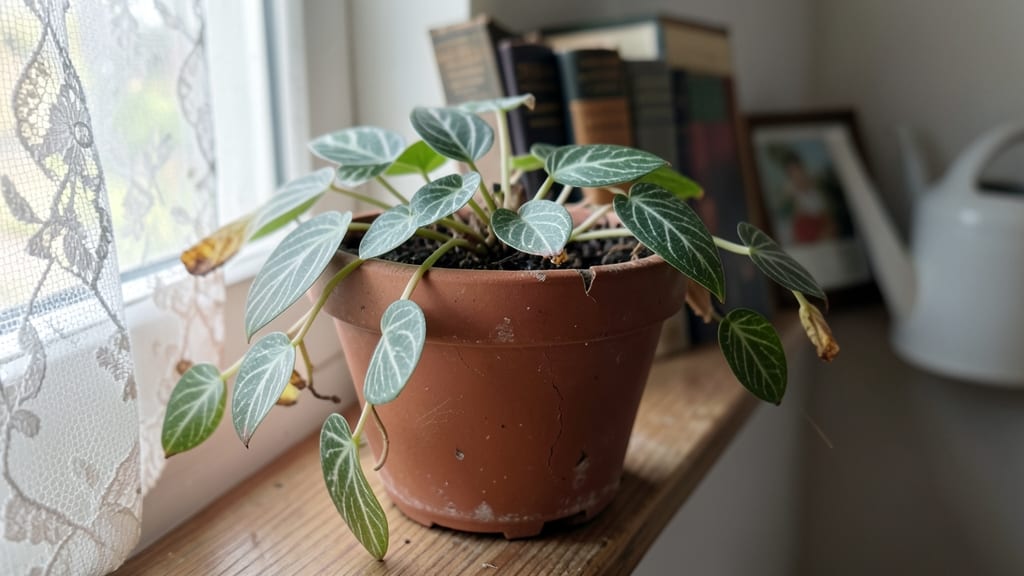
That sad, drooping look isn’t always an overwatered nerve plant—sometimes it’s just begging for a little TLC. 🌱 The key is catching it early, before the roots turn to mush.
Overwatering happens when roots drown in soggy soil, cutting off oxygen and inviting rot. You’ll spot the problem in yellowing leaves, a limp stem, or soil that smells funky when you poke it.
The good news? Nerve plants are tough—they bounce back fast once you adjust watering and drainage. I’ve revived plants with just a few days of proper care.
By the end of these three steps, your plant will be perky again—think crisp, upright leaves and that signature velvety texture. The secret is patience: let the soil dry out between waterings, and you’ll see new growth within a week or two. Trust me, this works.
Even if you’ve lost a few leaves, don’t toss the plant. With the right care, it’ll recover, and you’ll learn exactly how much water it actually needs. Here’s how to bring it back to life—step by step.
Root Causes Of Soggy Soil
Understanding why your plant’s roots are drowning is the first step to saving it. Overwatering isn’t just about how much you water—it’s about how often, how well the soil drains, and even the environment your plant lives in. Let’s break down the science behind the soggy soil scenario.
Your nerve plant (Fittonia spp.) thrives in well-draining, airy soil—not a swamp. When soil lacks proper drainage, excess water pools around the roots, cutting off oxygen and triggering root rot (a fungal infection that strangles roots). Here’s why this happens:
- Compacted or heavy soil (like clay) holds water like a sponge, suffocating roots.
- No perlite, sand, or bark in the potting mix means water sits instead of draining.
- Glazed pots (like ceramic) can trap moisture against the roots, even if the soil seems dry on top.
Actionable fix: Amend soil with 20-30% perlite or orchid bark to create air pockets. Terracotta pots (unglazed) also help wick away moisture.
Plants don’t follow your watering calendar—they respond to soil moisture levels.
Overwatering often stems from: - Ignoring the "finger test"—sticking your finger 1 inch into the soil to check moisture. - Assuming "more water = happier plant" (especially in humid climates). - Using ice cubes or misting (which adds moisture without letting soil dry).
Pro tip: 🌡️ Wait until the top 1–2 inches of soil are dry before watering again. In humid conditions, this could mean watering every 7–10 days—not daily!
Nerve plants love high humidity (60–80%), but that doesn’t mean they want constant moisture. If your home is humid (e.g., bathroom, kitchen), the air itself holds water vapor, making soil stay damp longer. Combine this with regular watering, and you’ve got a root suffocation cocktail.
- Low airflow (e.g., crammed shelves, no fan) traps moisture near the plant.
- Grouping plants together creates a microclimate where humidity spikes.
- Over-misting adds extra water without letting the soil breathe.
Fix it: Increase airflow with a small fan (on low) or space plants apart. If humidity is naturally high, reduce watering frequency by 30–50%.
A pot that’s too large holds excess water for days, while a small pot with no drainage holes turns your plant’s home into a bathtub.
Even "self-watering" pots can backfire if: - The reservoir stays full (check the water level weekly). - The soil doesn’t dry out evenly (common in plastic pots).
Quick test: If water pools in the saucer 24+ hours after watering, your pot or soil mix is the culprit.
Cold drafts (from AC vents or windows) slow evaporation, making soil stay wet longer. Meanwhile, heat sources (like radiators) can dry the top layer while the bottom stays soggy—a classic setup for uneven rot.
Adjustments:
- Move the plant 3–5 feet from drafts or heat vents.
- In winter, reduce watering by 20%—plants need less when growth slows.
Hard water (high in minerals like calcium) or tap water with chlorine can alter soil structure, making it repel water or clump together like concrete. This traps moisture and blocks drainage.
Solutions:
- Use distilled, rainwater, or filtered water.
- If you must use tap water, let it sit out for 24 hours before watering to off-gas chlorine.
Drooping leaves often mean thirst—but not always. Before blaming overwatering, check for:
- Yellow lower leaves (overwatering) vs. crispy brown edges (underwatering or low humidity).
- Mushy stems (root rot) vs. wilting that recovers when watered (thirst).
Test it: Gently tug on the plant—if it slides out easily, roots are rotting. If soil clumps stay intact, it’s time to water!
Revive Your Plant with These Fixes
If your nerve plant (aka Fittonia) is looking sad and droopy, don’t panic—it’s often just a case of too much love (in the form of water). The good news? With a few simple adjustments, you can nurse it back to health and keep those stunning veined leaves thriving.
Below are targeted solutions based on the most common causes of overwatering, along with easy prevention tips to avoid future mishaps.
If the soil is soggy or waterlogged, your nerve plant’s roots are suffocating. Here’s how to fix it:
- 🔥 Step 1: Stop Watering Immediately Let the soil dry out completely before watering again. Stick your finger about an inch into the soil—if it’s damp, wait another day or two.
- 🍳 Step 2: Repot if Needed If the roots smell rotten or look mushy, gently remove the plant from its pot, trim away any dark, squishy roots with clean scissors, and repot it in fresh, well-draining soil. Use a pot with drainage holes if it doesn’t already have them.
- 👨🍳 Step 3: Adjust Your Watering Routine Nerve plants prefer soil that’s consistently moist but never soggy. Water only when the top inch of soil feels dry. A spray bottle can help mimic their humid, tropical habitat without overdoing it.
- ⏰ Pro Tip: Water in the morning so excess moisture can evaporate during the day.
If water sits in the saucer or pot for hours, your plant is at risk. Fix this with these tweaks:
- 🔧 Step 1: Check the Pot and Soil Ensure your pot has drainage holes. If not, switch to one that does. Mix in perlite, orchid bark, or coconut coir into your potting mix (about 20-30%) to improve aeration.
- 🥘 Step 2: Elevate the Pot Place the pot on a saucer filled with pebbles (not water) to allow excess moisture to evaporate instead of pooling at the roots.
- 🎯 Prevention Tip: Avoid heavy, clay-like soils that retain moisture. A lightweight, airy mix keeps roots happy.
Overwatering can worsen if your plant isn’t in the right humidity or temperature range. Here’s how to correct it:
- 💡 Step 1: Increase Airflow (Gently!) Place a small fan nearby on low setting to encourage evaporation and prevent fungal issues. Just avoid direct drafts, which can stress the plant.
- 🌿 Step 2: Boost Humidity Nerve plants love humidity (60-80%). Group it with other plants, use a humidity tray (pebbles + water), or mist lightly 2-3 times a week—but only if the soil is dry.
- ✨ Prevention Tip: Avoid placing it near AC vents or heaters, which dry out the air too quickly.
If your plant has been in the same pot for years, roots may have outgrown their space, leading to poor drainage and overwatering issues.
- 🔪 Step 1: Gently Remove and Inspect Take the plant out of its pot and check for root-bound growth (roots circling the bottom). If so, trim any tangled roots and repot in fresh soil.
- 🌱 Step 2: Choose the Right Pot Size Opt for a pot just 1-2 inches larger in diameter than the root ball. Too much space = more soil to overwater.
- 💪 Prevention Tip: Repot every 12-18 months to refresh nutrients and prevent root congestion.
With these fixes, your nerve plant should perk up within a week or two. Keep an eye on its progress, and soon you’ll be back to admiring those gorgeous veined leaves—without the guilt of overwatering! 🌿✨
Frequently asked questions
How do I know if my nerve plant is overwatered vs. underwatered?
Check the leaves and soil: yellowing lower leaves with mushy stems signal overwatering, while crispy brown edges mean thirst. Stick your finger in the soil—if it's damp 1 inch down, you're likely overdoing it. Nerve plants prefer soil that feels like a wrung-out sponge, not a swamp.
Can an overwatered nerve plant recover, or is it too late?
Most nerve plants bounce back if you catch it early! Trim any mushy roots, repot in fresh, well-draining soil, and withhold water until the top 2 inches are dry. Within 1-2 weeks, you'll see new growth. If the stems are hollow or black, it's past saving—but that's rare with prompt action.
Why does my nerve plant droop after watering?
Drooping often means the roots can't absorb water fast enough due to compacted soil or poor drainage. Let the plant sit upright for 30 minutes after watering—if it stays droopy, the roots may be damaged. Try watering with a spray bottle instead of pouring at the base to encourage even absorption.
How often should I water a nerve plant to avoid overwatering?
Nerve plants thrive when the top 1-2 inches of soil dry out between waterings. In humid conditions, this could be every 7-10 days, while drier air may need watering weekly. Always check with your finger—never on a schedule!
Will misting my nerve plant help prevent overwatering?
Misting can actually worsen overwatering by adding moisture without letting soil dry. Instead, use a humidity tray with pebbles (not water) or group plants together. If you must mist, do it lightly 2-3 times a week—but only if the soil is completely dry first.