
Picking
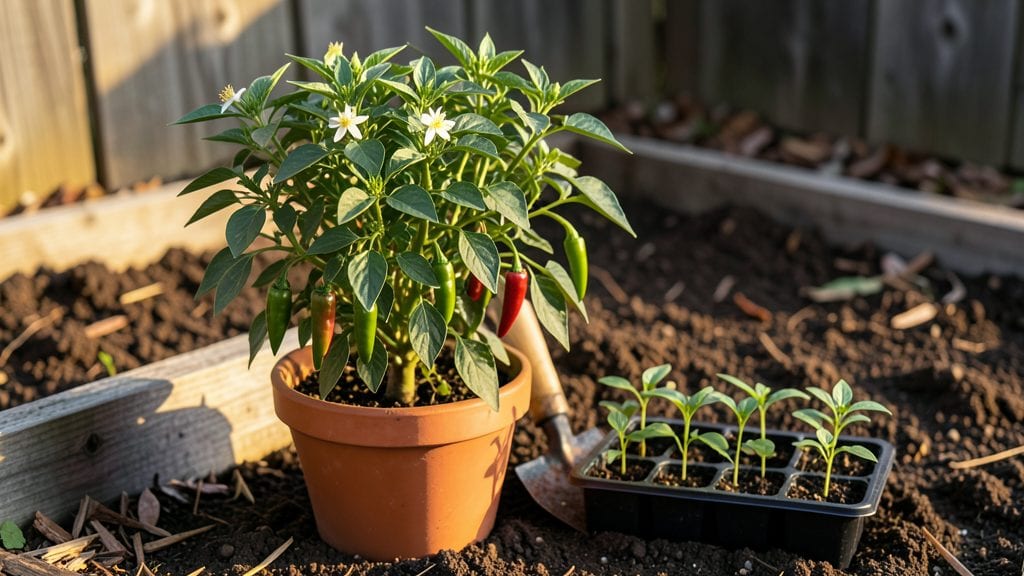
Planting tabasco peppers unlocks the secret to that bold, tangy heat in your favorite sauces—and doing it from seed gives you full control over every fiery detail.
I’ve grown them for years, and the key to success starts with the right timing, soil, and a little patience for their slow-but-steady growth habit. These aren’t your average bell peppers; they need warmth, consistency, and a long stretch of sunlight to pack that signature punch.
You’ll need a sunny spot with at least 6-8 hours of direct light daily, well-draining soil amended with compost, and a head start indoors if your climate has cool springs.
Tabasco peppers are sensitive to cold, so wait until nighttime temperatures stay above 55°F before transplanting—rushing this step is how beginners lose their plants to frost. The payoff? A compact bush that produces small but mighty peppers ready for harvest in about 90 days from transplant.
Once planted, keep the soil moist but not soggy—these peppers hate wet feet—and feed them every 3-4 weeks with a balanced fertilizer. Prune lightly to encourage bushier growth, and watch for the first signs of those tiny, glossy peppers forming.
They’ll start green, then turn red when fully ripe—perfect for drying or fresh use. The real magic happens when you taste the difference between store-bought and homegrown heat.
If you’re in a short-season area, start seeds indoors 8-10 weeks before the last frost—they germinate slowly, so don’t skip this step. And here’s a pro tip: stake or cage your plants early, because those peppers get heavy, and you don’t want them snapping under the weight.
With the right care, you’ll be bottling your own Tabasco sauce in no time.
📚 In This Guide
- What you need
- Instructions
- Tips and common mistakes
- Wrapping up and next steps
What you need
- ● Tabasco pepper seeds: 10–20 seeds (or 2–3 plants if buying seedlings). Opt for Capsicum frutescens varieties like 'Tabasco' or 'Carolina Reaper' for extra heat!
- ● Containers or garden bed: For containers: 5–10-gallon pots (1–2 plants per pot) with drainage holes.
- ● For garden beds: Well-draining soil in a sunny spot (6+ hours of sunlight daily). Space plants 18–24 inches apart.
- ● High-quality potting mix: 5–10 gallons (sterile, well-draining blend with perlite or vermiculite). Avoid garden soil—it’s too dense!
- ● Slow-release fertilizer: 10–20-10 NPK ratio (follow package rates for application). Fertilize lightly every 4–6 weeks.
- ● Watering can or hose with a gentle nozzle: Tabasco peppers hate soggy roots—water at soil level!
- ● Trowel or small shovel: For planting seeds/seedlings and transplanting.
- ● Pruning shears: To trim leggy growth or encourage bushier plants.
- ○ Glove (optional but recommended): Tabasco peppers pack a punch—wear gloves if you’re sensitive to spice!
- ● Plant markers: Label seeds/seedlings to track varieties (especially if growing multiple types).
- ● Grow lights: If starting indoors or in low-light areas (12–16 hours/day).
- ● Mulch: Straw or shredded leaves to retain moisture and suppress weeds.
- ● Cage or stakes: For tall varieties (like 'Carolina Reaper') to support heavy pepper loads.
- ● pH test kit: Aim for soil pH 6.0–6.8 (Tabasco peppers thrive in slightly acidic soil).
Step-by-step instructions for planting Tabasco peppers
Here's how to grow bold, fiery Tabasco peppers from seed to harvest in just 90 days.
Start Seeds Indoors 8-10 Weeks Before Last Frost
Fill seed trays with the seed-starting mix and moisten it until damp but not soggy. Plant Tabasco pepper seeds about ¼ inch deep, spacing them 1 inch apart in each cell. Cover lightly with additional mix and gently press to ensure good seed-to-soil contact. I like to label each tray with the variety and planting date—these peppers grow fast, and you'll forget which is which if you don’t.
Place the trays in a warm spot, ideally on a seedling heat mat set to 75-85°F. Keep the soil consistently moist by misting lightly with water, but avoid oversaturating—damping-off fungus can wipe out seedlings overnight. Within 7-14 days, you’ll see the first true leaves emerge, signaling it’s time to move them under grow lights for 14-16 hours of light daily. Without enough light, seedlings stretch weakly and never recover.
Harden Off and Transplant Outdoors After Frost
Two weeks before your last frost date, begin hardening off the seedlings by placing them outside in a sheltered spot for 1-2 hours the first day. Gradually increase their outdoor time by 1 hour daily, exposing them to more sunlight and wind. By the time you transplant, they should tolerate a full day outside without wilting. This step is critical—skipping it stresses the plants and slows growth.
Choose a sunny location with at least 8 hours of direct sunlight daily—Tabasco peppers thrive in full sun and produce more heat when exposed to plenty of light. Transplant seedlings into the garden 18-24 inches apart in rows 24 inches apart, using the garden soil you’ve amended with compost. Dig holes slightly deeper than the root ball to encourage strong root development, then water deeply to settle the soil around the plants.
Maintain Soil and Water Consistently
After transplanting, keep the soil evenly moist but not waterlogged—Tabasco peppers dislike soggy roots. Water 1 inch per week, adjusting for rainfall. I like to water deeply in the morning so the foliage has time to dry before evening, which helps prevent fungal diseases. Avoid wetting the leaves when possible, as this can spread disease. Instead, water at the base of the plant.
Fertilize every 3-4 weeks with the balanced fertilizer (10-10-10) to encourage steady growth. Start with ½ teaspoon per plant and increase to 1 teaspoon per plant as they mature. Stop fertilizing 4-6 weeks before harvest to allow the peppers to focus on fruit production rather than foliage. You’ll notice stronger stems and more vibrant flowers when the plants are well-fed.
Prune and Support for Maximum Yield
As the plants grow, prune any suckers that form in the leaf axils—these are the small shoots that grow between the main stem and branches. Removing them directs the plant’s energy into producing peppers rather than extra foliage. I also pinch off the first few flowers that appear to encourage bushier growth with more fruit later in the season. This step ensures a heavier harvest of Tabasco peppers.
Install cage supports or stakes as soon as the plants reach 12 inches tall to prevent them from toppling over under the weight of the peppers. Tabasco peppers can grow 3-4 feet tall, so sturdy support is a must. Prune any yellow or diseased leaves immediately to keep the plant healthy and productive. You’ll see a noticeable difference in plant vigor and pepper production when you keep up with pruning and support.
Harvest and Preserve for Maximum Flavor
Tabasco peppers are ready to harvest 90 days after transplanting, when they turn bright red and reach 2-3 inches in length. Harvest them in the morning when the oils are at their peak. Use pruning shears to cut the stems cleanly, leaving a small portion attached to encourage more fruit production. The longer you leave them on the plant, the hotter they become—harvest early for milder heat or later for intense spice.
Preserve the harvest by drying the peppers in the sun or using a dehydrator. Once dried, grind them into flakes or blend them into a paste for classic Tabasco sauce. Store the dried peppers in an airtight container away from light. You’ll have a bounty of fiery peppers ready to spice up your favorite dishes in no time.
Tips & tricks for perfect Tabasco pepper planting
Growing Tabasco peppers successfully means paying attention to details that make all the difference between a modest harvest and a fiery bounty. Here are my go-to strategies for maximizing your pepper yield.
Seedling Heat Mat Precision: The 75-85°F range on your seedling heat mat is critical for germination. I've found that keeping it consistently at the higher end (80-85°F) speeds up germination to the lower end of that 7-14 day window. Place a small thermometer on the mat to monitor temperature—fluctuations below 75°F can delay germination by days. Once you see those first true leaves, immediately move to the 14-16 hours of grow light to prevent leggy seedlings.
Harden Off Gradually: The 1-2 hour daily increase during hardening off might seem slow, but it's the only way to prevent transplant shock. I've learned the hard way that rushing this step leads to wilted plants that struggle to recover. On cloudy days, extend the outdoor time by 30 minutes to compensate for reduced sunlight exposure. Look for plants that stand upright and continue growing after their full outdoor day—those are ready for transplanting.
Sunlight Optimization: Those 8 hours of direct sunlight are non-negotiable, but not all sunlight is equal. Position your plants to receive morning sun first, then afternoon shade if your climate gets extremely hot. In my experience, peppers grown with this balance produce more fruit and develop deeper color. If you notice leaves curling or yellowing, it's often a sign of too much intense afternoon sun—provide some afternoon shade during peak summer months.
Fertilizer Timing: The 3-4 week fertilizer schedule works perfectly, but the key is adjusting the amount based on plant appearance. If your Tabasco peppers show signs of nitrogen deficiency (yellowing leaves) between feedings, you can give them a light dose of the 10-10-10 fertilizer a week early. Conversely, if you see excessive leafy growth at the expense of peppers, reduce to every 4-5 weeks. The 4-6 week pause before harvest is crucial—it allows the plants to redirect energy from foliage to fruit development.
Pro Tips for Planting Tabasco Peppers
- Growing Tabasco peppers successfully means paying attention to details that make all the difference between a modest harvest and a fiery bounty.
- Seedling Heat Mat Precision: The 75-85°F range on your seedling heat mat is critical for germination.
- Harden Off Gradually: The 1-2 hour daily increase during hardening off might seem slow, but it's the only way to prevent transplant shock.
Frequently asked questions
Got questions about growing your own fiery Tabasco peppers?
You’re not alone! Here are answers to the most common queries from gardeners just like you.
When is the best time to plant Tabasco peppers?
Start seeds indoors 8–10 weeks before your last frost date (around mid-March in most zones). Transplant seedlings outdoors only after soil reaches 65°F+—they’re tropical divas and hate cold! If you’re in a warm climate, direct-sow seeds in early spring for a summer harvest.
How long does it take for Tabasco peppers to mature?
Tabasco peppers are fast growers! From transplanting, expect 90–120 days to harvest. Early varieties (like ‘Crystal’) may ripen in as little as 75 days, while heirlooms can take longer. Patience pays off—wait for peppers to turn bright red or yellow for peak flavor and heat!
Why aren’t my Tabasco peppers producing fruit?
No peppers? Check these fixes:
- Not enough sun: Tabascos need 6+ hours of direct sunlight daily—move them to a sunnier spot.
- Poor pollination: Gently shake plants or hand-pollinate with a paintbrush.
- Nutrient deficiency: Feed with a balanced fertilizer (like 10-10-10) when flowers appear.
- Temperature stress: They thrive in 70–90°F—extreme heat or cold can stall fruiting.
Can I grow Tabasco peppers in containers?
Use a 5-gallon pot or larger with well-draining soil. Place containers in full sun and water consistently—container plants dry out faster. Dwarf varieties (like ‘Jalapeño-Tabasco hybrids’) work best for small spaces. Just ensure pots have drainage holes to prevent root rot!
Are Tabasco peppers hard to grow?
Not at all—they’re easier than you think! Just mimic their tropical habitat: warm soil, full sun, and regular water (but no soggy roots). They’re more forgiving than, say, tomatoes, but they do need consistent care. Start small (a few plants) to test your green thumb before scaling up!
Pro Tip:
Save seeds from your best peppers for next year! Let them dry on the plant, then store in a cool, dark place. Tabasco seeds stay viable for 2–3 years, so you’ll always have a fresh supply of spice!
Wrapping up and next steps
Growing your own Tabasco peppers is a rewarding journey that blends patience, passion, and a dash of spice! 🌱 With the right soil, sunlight, and care, you’ll be harvesting fiery peppers in just 90 days—perfect for homemade hot sauce, salsas, or bold flavor experiments.
Whether you’re a seasoned gardener or a curious beginner, every seed planted is a step toward a fresher, spicier harvest.
Ready to take the next step? Grab your gloves, mark your calendar, and start those seeds today—your taste buds (and dinner guests) will thank you! 🔥