
Pruning
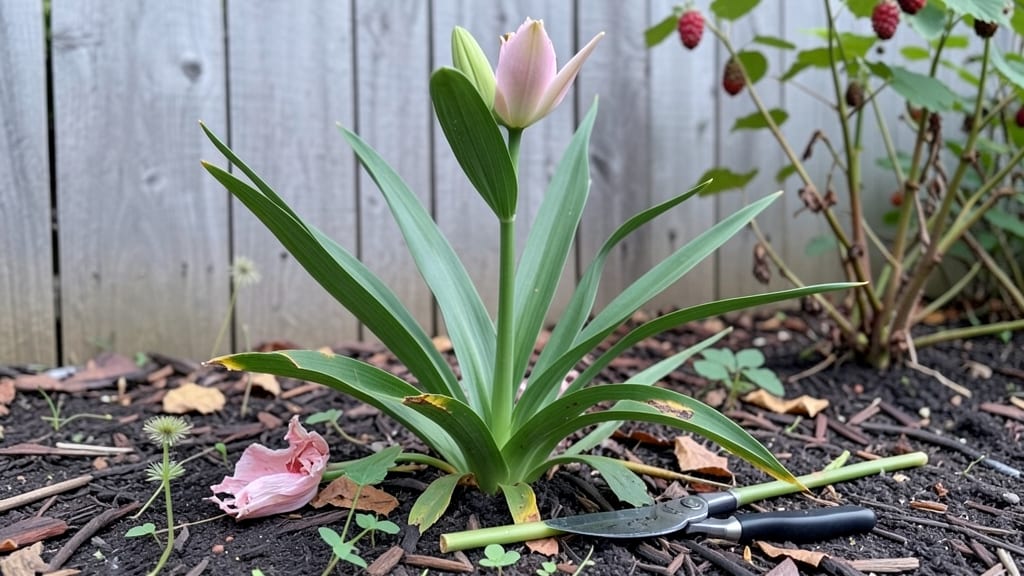
Pruning lily plants transforms your garden from a one-time summer showstopper to a blooming machine that keeps giving all season. 🌿 I learned this the hard way—after letting my lilies flop around like overgrown weeds, I discovered that three simple cuts at the right times can double your blooms and keep plants healthy for years.
The secret isn’t aggressive trimming—it’s timing and precision. You’ll need sharp pruners, clean gloves, and a clear day to work. Most people wait until after blooms fade, but the real magic happens in late fall when you cut back the foliage to prepare for dormancy.
This process takes less than 30 minutes per plant and prevents disease by removing dead material.
After pruning, your lilies will reward you with stronger stems, more buds, and flowers that last longer. The first flush comes in early summer, but with proper care, you’ll see a second wave in late summer—plus, the foliage stays lush and disease-free.
The key is patience: never cut more than one-third of the plant at once, and always leave some leaves to feed the bulbs.
Works for Asiatic, Oriental, and trumpet lilies alike, whether you’re working with a single plant or a full border. Here’s how to do it right—no guesswork, just foolproof results that’ll make your neighbors ask for your secret.
📚 In This Guide
- What you need
- Instructions
- Tips and common mistakes
- Wrapping up and next steps
What you need
- ● Pruning shears or sharp bypass pruners – Choose sterilized, high-quality shears with 4- to 6-inch blades for clean cuts. (1 pair)
- ● Garden gloves – Opt for durable, breathable gloves (e.g., nitrile-coated) to protect against thorns and dirt. (1 pair)
- ● Disinfectant solution – Mix 1 part bleach to 9 parts water (or use 70% isopropyl alcohol) to sterilize tools before and after pruning. (Small spray bottle or container)
- ○ Garden twine or plant ties – 3- to 4-foot sections of twine to secure stems if needed. (Optional but helpful for support)
- ● Compost bin or mulch – For disposing of pruned foliage (avoid composting diseased plants). (Access to a bin or yard waste)
- ● Hand pruners – For smaller stems or tight spaces. (1 pair)
- ● Knee pads – If pruning low-growing lilies or working on hard surfaces. (1 pair)
- ● Plant marker or labels – To track pruned varieties if you have multiple types. (Small tags or a notepad)
- ● Hose with nozzle – For rinsing tools and cleaning up debris. (Standard garden hose)
Step-by-Step guide to pruning lily plants for continuous blooms
Lilies reward precise pruning with spectacular reblooming. Here’s how to keep them flowering year after year with just three clean cuts.
✂️ Step 1: Deadhead After First Bloom Cycle
Once your lilies finish their first flush of flowers, snip off the spent blooms just above the first set of healthy leaves. This prevents seed production, which drains energy from next year’s growth. I use sharp pruning shears to make a clean cut at a 45-degree angle—this reduces water pooling on the stem and prevents rot.
Don’t cut too far down the stem. Leaving 6-8 inches of foliage ensures the plant continues photosynthesizing and storing energy for future blooms. Watch for new buds forming at the base—these are your signal that the plant is preparing for its second bloom cycle.
✂️ Step 2: Trim Faded Foliage in Late Summer
When the leaves turn yellow or brown in late August or early September, it’s time for your second cut. Remove all dead foliage at the base, but leave any green, healthy leaves intact. These leaves are still feeding the bulb for next year’s blooms.
I like to pull or cut off the yellowed leaves by hand—it’s less aggressive than shearing and prevents accidental damage to the emerging next year’s shoots. If your lilies are in a mixed border, this step keeps the garden looking tidy without sacrificing next season’s performance.
✂️ Step 3: Lightly Prune in Early Spring
In early spring, just as new shoots emerge but before leaves unfurl, give your lilies a final trim. Cut back any remaining dead stems from last year, but leave the new growth untouched. This ensures the plant isn’t competing with old, nonproductive growth.
Here’s the thing—this early spring cut is subtle. You’re not removing much, just clearing out last year’s debris so the new shoots have room to grow. If you see any mold or slimy residue on the stems, wipe it away with a damp cloth before cutting—this prevents fungal issues from spreading to fresh growth.
🌱 Bonus: Encourage Reblooming with Post-Bloom Care
After your first two cuts, fertilize lightly with a balanced, bulb-specific fertilizer to replenish nutrients. I use a slow-release formula in early spring and mid-summer to keep the roots strong without overfeeding. Water deeply but infrequently—lilies hate soggy roots but thrive with consistent moisture during their growing season.
If your lilies aren’t reblooming after a year or two, they might need dividing. Dig up clumps in early fall or spring, separate the bulbs, and replant them in fresh soil. This jumpstarts their energy and often brings back vigorous blooming within a season.
Tips & tricks for perfect pruning lily plants
Lilies don't just bloom once—they can reward you with multiple cycles of stunning flowers if you prune them the right way. Here's what I've learned after years of keeping my own lilies blooming like clockwork.
Tool Selection Matters: Don't grab just any shears! Use sharp, clean pruning shears dedicated to garden use. I've seen dull blades crush stems and create jagged cuts that invite disease. After each cut, wipe your shears with rubbing alcohol to prevent spreading fungal spores between plants.
Timing is Everything: In Step 1, when you're deadheading after the first bloom, wait until the flowers are completely spent—no more color, no more fragrance. If you cut too soon, you're removing blooms that could still be enjoyed. For Step 2, mark your calendar for late August or early September—this is when lilies naturally start shutting down for winter. The early spring prune in Step 3 is subtle but crucial; don't rush it—wait until you see those first green shoots poking through the soil.
Visual Cues for Perfect Cuts: When making that 45-degree angle cut in Step 1, imagine slicing off the top of a pyramid. This angle prevents water from pooling on the stem, which is key to avoiding rot. For Step 2, look for leaves that are completely brown and crispy—they should snap easily when bent. Leave any leaves that still have some green or that are feeding the bulb. In Step 3, you're just clearing out last year's debris, so think "less is more"—only remove what's clearly dead or moldy.
Reblooming Secret: The 6-8 inches of foliage you leave after deadheading in Step 1 is doing more than you think. Those leaves are the plant's energy factories, converting sunlight into stored nutrients for next year's blooms. I've found that lilies left with too little foliage often skip their second bloom cycle entirely. Think of it as their savings account—you wouldn't want to withdraw all their savings, would you?
Pro Tips for Pruning Lily Plants
- Lilies don't just bloom once—they can reward you with multiple cycles of stunning flowers if you prune them the right way.
- Tool Selection Matters: Don't grab just any shears!
- Timing is Everything: In Step 1, when you're deadheading after the first bloom, wait until the flowers are completely spent—no more color, no more fragrance.
Frequently asked questions
Got questions about pruning your lilies? You’re not alone! Here are answers to the most common concerns—so you can keep those blooms thriving with confidence.
When is the best time to prune lilies for next year’s blooms?
Prune lilies after they finish blooming in late summer (August–September) to redirect energy to next year’s flower buds. For deadheading (removing spent blooms), do it immediately to prevent seed production. Avoid pruning in fall or early spring—this can stress the plant before dormancy or growth.
How much should I cut back lilies in fall vs. spring?
| Season | Cut Height | Purpose |
|---|---|---|
| Fall | Leave foliage until it yellows naturally (or cut back by ⅓ if diseased). | Allows energy storage for roots. |
| Spring | Trim dead foliage down to 6 inches once new shoots appear. | Encourages fresh growth without overcrowding. |
Can I prune lilies too much? What are the signs?
Yes! Over-pruning (cutting back all foliage in summer or fall) starves the bulbs of nutrients. Signs include no new leaves in spring, smaller blooms, or yellowing leaves before dormancy. If this happens, reduce pruning next year and fertilize lightly in early spring.
Do I need to prune lilies if they’re not blooming?
Even non-blooming lilies need pruning to remove dead leaves (which harbor pests/diseases) and prevent overcrowding. Cut back yellowed or brown foliage in late fall/early spring. This keeps the plant healthy and may encourage blooms in future seasons.
What’s the difference between deadheading and full pruning?
- Deadheading: Removing only the spent blooms (or flower stalks) after they fade. Do this immediately to stop seed production and redirect energy to foliage.
- Full Pruning: Cutting back entire stalks and up to ⅓ of foliage in late summer/fall to shape the plant and prep for dormancy. Wait until leaves yellow naturally before full cuts.
Pro tip: Use clean, sharp shears for both—dull blades crush stems, inviting disease!
Wrapping up and next steps
Pruning your lily plants doesn’t have to be intimidating—with the right timing and technique, you can encourage vibrant, year-round blooms while keeping your garden thriving! 🌸 By mastering the three strategic cuts (post-bloom, seasonal maintenance, and winter prep), you’ll promote healthier growth, prevent disease, and even extend the lifespan of your lilies.
Whether you’re a seasoned gardener or just starting, these simple steps will transform your approach to lily care.
Ready to give your lilies the TLC they deserve? Grab your pruners and start pruning with confidence—your garden (and future blooms) will thank you! For extra inspiration, explore lily care calendars or join gardening communities to share your progress. Happy pruning! ✂️🌿