
Pruning
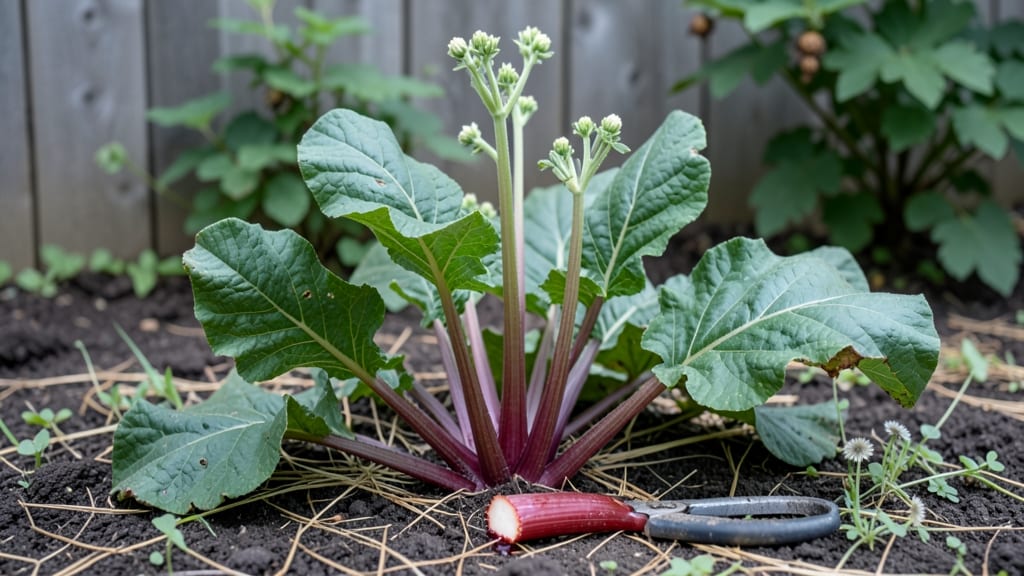
Pruning rhubarb plants at the right time transforms a single harvest into a year-round feast. ✨ I’ve learned the hard way that skipping this step means fewer stalks and weaker plants—so I now follow a strict 3-trim schedule that keeps my rhubarb productive for decades.
The secret isn’t just when you cut, but how you shape the plant for next year’s growth.
You only need three tools: sharp pruning shears, clean gloves, and a bucket for the stalks. Timing matters most—wait until the stalks reach 12–14 inches tall, then cut them cleanly at the base.
This encourages the plant to focus energy on growing more stalks, not just leaves. Most gardeners mess up by pruning too early or too late, which stunts regrowth.
By mid-summer, you’ll see thick, vibrant stalks emerging faster than before, with the plant staying bushy and healthy. The right cuts prevent disease, reduce pests, and even improve next year’s harvest size.
Think of it as a conversation with your plant—listen to its signals, and it’ll reward you with months of fresh stalks instead of just a few weeks.
This method works in zones 3 through 8, though colder climates may need an extra layer of mulch in winter. Whether you’re a first-timer or a seasoned grower, these precision trims will change how you think about rhubarb forever. Let’s get those shears ready!
📚 In This Guide
- What you need
- Instructions
- Tips and common mistakes
- Wrapping up and next steps
What you need
- ● Sharp pruning shears or secateurs – Choose bypass-style (not anvil) to avoid crushing stems. Disinfect with rubbing alcohol before and after use to prevent disease spread.
- ● Gloves – Heavy-duty gardening gloves to protect hands from thorns and sap (rhubarb can cause skin irritation).
- ● Garden twine or plant ties – A small roll (50–100 ft) to secure stems if needed during regrowth.
- ● Compost or mulch – A 5–10 gallon bag of well-aged compost or straw mulch to replenish soil after pruning.
- ● Watering can or hose – For post-pruning hydration (1–2 gallons per plant).
- ● Notebook & pen – To track pruning dates and plant health observations.
- ● Pruning saw – For thick, woody stalks (rare in young plants but useful for mature rhubarb).
- ● Fungicide spray – Copper-based or neem oil to treat cuts if signs of rot appear.
- ● Plant markers – To label pruned sections if you’re experimenting with staggered harvests.
- ● Knee pad or stool – For comfort if your rhubarb patch is large or hard to reach.
Instructions for pruning rhubarb plants
Rhubarb thrives with strategic cuts—here's how to keep your plants productive year after year.
✂️ Step 1: Early Spring Cleanup (March-April)
Start by removing any dead or frozen leaves still clinging to the plant. These yellowed or blackened fronds are no longer useful and can harbor pests. I always use clean, sharp pruners to make clean cuts—dull blades crush stems and invite infection. Cut back to the base of the plant, leaving only the healthy, upright stalks with their tight, green crowns.
This first trim is about renewal. You'll notice the plant's energy shifts immediately—new growth emerges from the center within a week. Avoid cutting into the crown itself, which is where next year's harvest begins. If your rhubarb has multiple stalks, leave at least 3-4 mature stalks to store energy for future growth.
✂️ Step 2: Mid-Season Maintenance (May-June)
Once the stalks reach 8-10 inches tall, it's time for your second cut. Harvest individual stalks at the base by twisting gently or using pruners to avoid tearing. Leave the leaf attached—it continues photosynthesizing for the plant. I never remove more than one-third of the stalks at once, even if they look abundant.
Watch for seed stalks (thin, flower-like growths) and remove them immediately. These sap-sucking culprits drain energy from your harvest. Cut them off at the base without hesitation—your plant will thank you with bigger, sweeter stalks. After harvesting, water deeply to replenish moisture lost during the cuts.
✂️ Step 3: Late Season Wind-Down (July-August)
By mid-summer, growth slows. This is your cue to taper off harvesting. Stop cutting entirely in late July or early August to let the plant rebuild energy for next year. Remove any remaining seed stalks and any stalks that look weak or diseased. Cut back only what's necessary—never more than 10-15% of the plant at this stage.
Leave the remaining stalks intact until they yellow naturally. This protects the crown from winter cold. I often mulch around the base with 2-3 inches of straw or leaves to insulate the roots. The plant will go dormant, but the crown stays alive underground, ready to burst forth next spring.
⏰ Step 4: Winter Preparation (October-November)
After the first frost blackens the leaves, cut back the entire plant to 1-2 inches above the ground. This prevents pests from hiding in dead foliage over winter. I use a clean pair of loppers for this job—no need for sterilization, but sharp blades make the work easier.
Add a thick layer of mulch (4-6 inches) over the crown to protect it from freeze-thaw cycles. The mulch acts like a blanket, keeping the roots at a steady 30-40°F even in harsh winters. Mark the location with stakes so you don't accidentally dig up the crown in spring. Your rhubarb will reward this care with vigorous new growth by March.
Tips & tricks for perfect rhubarb pruning
Rhubarb care isn't rocket science, but these small details make all the difference between a struggling plant and a thriving harvest.
Tool Prep: Before you even touch your rhubarb, sterilize your pruners with rubbing alcohol or a 10-minute boil. I learned this the hard way after my plants developed bacterial leaf spot from contaminated blades. Sharp tools are also essential—dull blades crush stems, creating entry points for disease. Test your pruners by cutting a piece of paper; if it tears instead of cuts cleanly, sharpen them first.
Seed Stalk Vigilance: Those delicate flower stalks might look harmless, but they're energy vampires for your rhubarb. Remove them immediately when you spot them—even if they're just tiny buds. I check my plants every 3-4 days during peak season (May-June) to catch these culprits early. The sooner you remove them, the more energy goes toward those sweet, plump stalks you actually want to harvest.
Mulching Matters: That 4-6 inch layer of mulch in winter isn't just decoration—it's insulation. The goal is to keep roots at a steady 30-40°F, protecting them from freeze-thaw cycles that can damage cell walls. I use straw because it breaks down slowly, adding organic matter to the soil. Avoid fresh grass clippings—they can mat down and trap moisture, leading to rot.
Harvesting Strategy: The one-third rule in Step 2 isn't arbitrary—it's about balance. Removing more than that stresses the plant, especially in its first year. I mark my plants with colored stakes to track which stalks I've harvested, ensuring I never take more than my share. For established plants, you can harvest up to half in subsequent years once they've built up reserves.
Pro Tips for Pruning Rhubarb Plants
- Rhubarb care isn't rocket science, but these small details make all the difference between a struggling plant and a thriving harvest.
- Tool Prep: Before you even touch your rhubarb, sterilize your pruners with rubbing alcohol or a 10-minute boil.
- Seed Stalk Vigilance: Those delicate flower stalks might look harmless, but they're energy vampires for your rhubarb.
Frequently asked questions
Got questions about pruning rhubarb?
You’re not alone! Whether you're a first-time gardener or a seasoned green thumb, timing, technique, and troubleshooting can feel tricky. Below, we’ve answered the most common queries to help you keep your rhubarb thriving—and your harvests bountiful.
When is the best time to prune rhubarb?
Prune rhubarb in early spring (just as new shoots emerge) and late winter (after harvest season). Avoid pruning in fall—this can stress the plant before dormancy. For forced rhubarb (indoor harvests), prune in December or January to encourage early growth. Always wait until soil is workable to prevent damage.
Can I cut rhubarb stalks too much?
Yes! Over-pruning can weaken the plant. Never remove more than ⅓ of the stalks at once, and avoid cutting the crown (the base where stalks meet the soil). If you harvest aggressively early in the season, you may reduce next year’s yield. Aim for 3–5 stalks per plant during peak harvest months (April–June).
What should I do if my rhubarb leaves turn yellow after pruning?
Yellowing leaves can signal over-pruning, nutrient deficiency, or root stress. If it happens right after trimming, you’re likely removing too many stalks. Boost growth by adding compost or balanced fertilizer (10-10-10) in spring. If yellowing persists, check for pests (like rhubarb curculio) or disease (e.g., crown rot).
Do I need to prune rhubarb in cold climates?
In cold regions (USDA Zones 3–5), prune after the last frost in spring. Never prune in winter—frozen soil can damage roots. If you’re growing forced rhubarb, use a cloche or cold frame to protect plants during late pruning. Mulch heavily in fall to insulate roots, but avoid piling mulch against the crown to prevent rot.
What’s the difference between pruning and harvesting rhubarb?
Pruning = cutting old, dead, or diseased leaves/stalks to improve airflow and plant health. Harvesting = removing mature stalks (at least ½” thick) for eating. Never harvest leaves—they’re toxic! Always cut stalks at soil level with clean shears. Prune in late winter/early spring; harvest in spring/summer.
Pro Tip:
Label your rhubarb plants! Since they can spread aggressively, marking them helps avoid accidental pruning of wild onions, chives, or asparagus (common look-alikes). A simple stake with the plant name saves headaches—and keeps your garden organized.
Wrapping up and next steps
Pruning rhubarb plants is your secret weapon for bountiful, long-lasting harvests—and as you’ve seen, it’s simpler than you might think! 🌱 By mastering the spring, summer, and autumn trims, you’ll encourage healthier growth, prevent disease, and enjoy fresh stalks well into the season.
The key? Patience and precision—cut at the right time, and your rhubarb will reward you with vibrant, tender stalks year after year.
Now that you’re armed with the know-how, roll up your sleeves and give it a try! Start with this season’s trim, then revisit your plants in a few months.
Soon, you’ll be the proud gardener with a never-ending supply of rhubarb—perfect for pies, jams, or even savory dishes. Happy pruning! 🌟