
Companion Plants
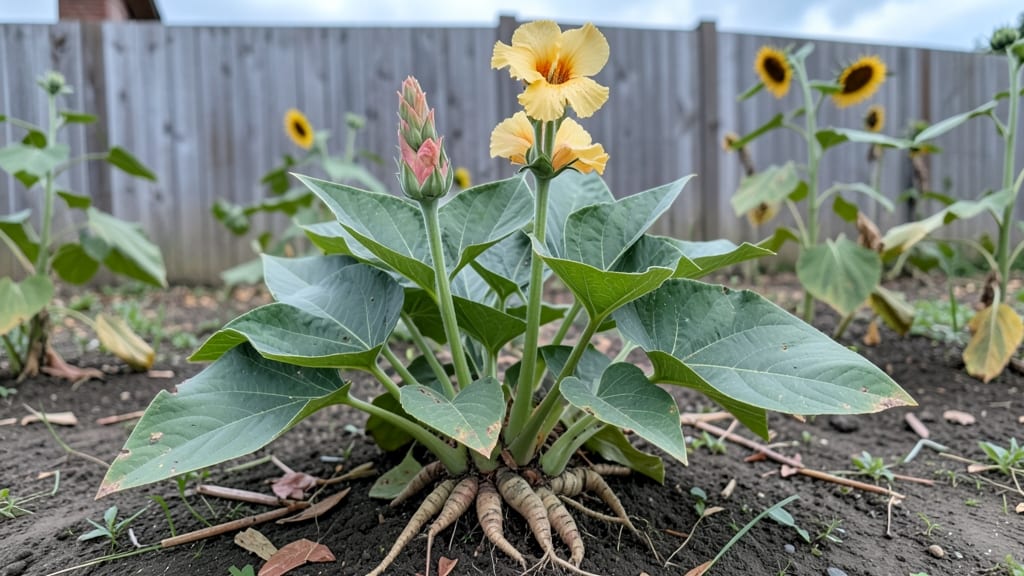
Rhizome flowering plants deliver bold, long-lasting blooms with almost no upkeep—no wonder my front yard now looks like a tropical escape even in winter. 🌿 These thick, horizontal roots store energy underground, so the plants rebound after frost and keep flowering season after season.
The best part? You’ll spend less time pruning and more time admiring their dramatic foliage and vibrant blooms.
Think cannas with their sword-like leaves and fiery flowers, irises that pop up like clockwork every spring, or ginger lilies with their exotic, fragrant blooms. They thrive in well-draining soil and 6+ hours of sun, but even partial shade works for some varieties.
Watering is simple: keep the soil consistently moist but never soggy, and you’ll avoid the most common mistake—rotting rhizomes.
Once established, these plants become self-sustaining workhorses—cut back dead foliage in late winter, divide crowded clumps every few years, and watch them multiply. My cannas alone have spread to fill a 6-foot-wide bed, and the irises return year after year with zero effort.
The secret? Planting them deep enough so the rhizomes stay covered but not buried, and letting nature do the rest.
Perfect for borders, rain gardens, or even containers—rhizome plants adapt to almost any spot once you get their basic needs right. Here’s how to set yours up for decades of low-maintenance color, no green thumb required.
📚 In This Guide
- What you need
- Instructions
- Tips and common mistakes
- Wrapping up and next steps
What you need
- ● Rhizome flowering plants: Choose from Iris, Hosta, Daylily (Hemerocallis), or Canna lilies. Buy 3–5 mature rhizomes per variety (check local nurseries for seasonal availability).
- ● Well-draining soil: Mix 2 parts garden soil with 1 part compost or perlite (5–10 gallons per planting area). 💡 Test soil pH (6.0–7.0 ideal) with a kit (~$10).
- ● Organic mulch: Pine bark, straw, or shredded leaves (1–2 inches thick; covers 10 sq. ft. per bag).
- ● Watering can or hose with a gentle spray nozzle: 1–2 gallons capacity (for precise hydration).
- ● Garden trowel or transplant spade: Medium-sized (6–8 inches long) for digging.
- ● Pruning shears: Bypass-style (for trimming dead foliage; sterilize with rubbing alcohol).
- ○ Gloves (optional): Heavy-duty gardening gloves to protect from thorns (e.g., Canna lilies).
- ● Sunlight assessment: Measure garden spots for 6+ hours of sun (full sun) or partial shade (4–6 hours).
- ○ Fertilizer (optional): Slow-release granular fertilizer (10–10–10 ratio; 1 lb per 100 sq. ft.).
- ● Work in mild weather (50–75°F) to avoid stressing rhizomes.
- ● Check local frost dates—some rhizomes (like Canna) need to be dug up in colder climates.
- ● If planting in containers, use pots 12+ inches deep with drainage holes.
How to grow and maintain rhizome flowering plants for season-long blooms
These hardy perennials reward patience with bold blooms and low-maintenance growth.
🌱 Step 1: Select and Prepare the Right Planting Site
Rhizome flowering plants thrive in well-draining soil with 6-8 hours of sunlight daily. I always test soil moisture first—stick your finger 2 inches deep; if it feels dry, this spot works. Amend heavy clay with 2-3 inches of compost to improve drainage, since rhizomes rot easily in soggy conditions.
Choose a location with partial shade in hot climates to prevent leaf scorch. In colder zones, full sun is better—these plants need warmth to establish strong root systems. Mark the area with stakes to avoid disturbing rhizomes later.
☀️ Step 2: Plant Rhizomes at the Correct Depth and Spacing
Dig holes 1-2 inches deeper than the rhizome's thickness—never bury the top. Space plants 12-18 inches apart for air circulation, which prevents fungal diseases. I like to plant rhizomes horizontally in trenches 2 inches deep for varieties like canna lilies, which spread aggressively.
Cover rhizomes with 1 inch of soil, then water gently until moisture reaches 4 inches deep. Avoid compacting soil around roots—rhizomes need loose mix to push through easily. Mulch with 2-3 inches of organic matter to retain moisture and regulate temperature.
💧 Step 3: Water Deeply and Establish a Consistent Routine
Water 1-2 times weekly until the top 6 inches of soil feels damp. Rhizome plants hate soggy roots but also wilt quickly if dry. I use a soaker hose to deliver water 2 inches from the base, avoiding foliage to prevent fungal spots. Reduce watering in winter unless temperatures drop below 40°F.
Fertilize lightly in spring with a balanced 10-10-10 formula—too much nitrogen causes leafy growth at the expense of blooms. I skip fertilizer in fall to encourage dormancy. Watch for yellowing leaves; this usually means overwatering or poor drainage.
✂️ Step 4: Prune Strategically for Year-Round Interest
Deadhead spent blooms every 2-3 weeks to encourage continuous flowering. Cut stems back to 1 inch above the next leaf node using clean, sharp shears. Never remove more than 1/3 of the plant at once—rhizomes store energy for regrowth.
In late fall, cut back all foliage to 6 inches tall and mulch heavily. This protects rhizomes through winter. In spring, remove old mulch and trim any blackened stems. You'll see new shoots emerge within 2-3 weeks—that's your cue to resume regular care.
🌿 Step 5: Divide and Propagate Every 3-4 Years
Dig up clumps in early spring when shoots appear but before blooming. Separate rhizomes with a sharp knife, ensuring each piece has 1-2 buds. Replant immediately in fresh soil. I divide canna lilies annually—they spread so aggressively they crowd out neighbors.
Discard any mushy or shriveled rhizomes during division. Healthy ones feel firm and plump. Store extras in moist peat moss in a cool, dark place until replanting. Dividing rejuvenates plants and prevents bloom decline over time.
Tips & tricks for perfect rhizome flowering plants
These hardy perennials might seem low-maintenance, but a few key tricks will help you avoid common pitfalls and maximize those stunning blooms all season long.
Soil Preparation Secret: In Step 1, when amending heavy clay with 2-3 inches of compost, I like to add a handful of perlite or coarse sand to the mix. This creates even better drainage than compost alone, especially important since soggy conditions cause rhizomes to rot. Test your soil's moisture by sticking your finger 2 inches deep—if it feels damp, you're good to go.
Planting Depth and Spacing: The 1-2 inches deeper rule in Step 2 is crucial, but here's what nobody tells you—planting rhizomes horizontally in 2-inch deep trenches works wonders for aggressive spreaders like canna lilies. This method gives them more surface area to establish roots quickly. Just make sure to space them 12-18 inches apart to prevent fungal diseases from spreading between plants.
Watering Wisdom: Those 1-2 weekly waterings in Step 3 should deliver moisture to 6 inches deep, but timing matters just as much. Water in the early morning so foliage has time to dry before evening—this prevents fungal spots. And remember, when temperatures drop below 40°F, you can cut back on watering since these plants become semi-dormant in cooler weather.
Pruning Precision: When deadheading every 2-3 weeks in Step 4, I always cut stems back to 1 inch above the next leaf node using clean shears. This small detail makes a huge difference in encouraging continuous blooming. And here's a pro tip: if you notice yellowing leaves, it's usually a sign of overwatering or poor drainage—not a nutrient deficiency.
Pro Tips for Rhizome Flowering Plants
- These hardy perennials might seem low-maintenance, but a few key tricks will help you avoid common pitfalls and maximize those stunning blooms all season long.
- Soil Preparation Secret: In Step 1, when amending heavy clay with 2-3 inches of compost, I like to add a handful of perlite or coarse sand to the mix.
- This method gives them more surface area to establish roots quickly.
Frequently asked questions
Got questions about keeping your rhizome flowering plants thriving?
Here are some of the most common ones—and their answers—to help you grow stunning, low-maintenance blooms all year round!
How do I know when my rhizome plants are ready to flower?
Most rhizome flowering plants (like cannas, gingers, or calathea) send up flower spikes when they’ve established strong roots and foliage—usually in late spring or early summer. Look for tall, upright stalks emerging from the center or along the rhizome. If your plant is healthy but not flowering, it may need more sunlight or a nutrient boost!
Why aren’t my rhizome plants blooming this year?
Several factors can delay flowering: insufficient light (they often need 6+ hours of sun), overcrowded rhizomes (divide clumps every 2–3 years), or lack of nutrients. Try fertilizing with a balanced, phosphorus-rich formula in spring. If your plant is still sluggish, check for root-bound conditions or pests like spider mites.
Can I propagate rhizome plants from cuttings?
Yes! The easiest way is to divide mature rhizomes in early spring or after flowering. Use a clean, sharp knife to separate sections with at least one growth node and a few roots. Let the cuttings dry for 1–2 hours before replanting. For leafy types (like calathea), you can also propagate from stem cuttings in water—just place a node in water until roots form!
Do rhizome plants need winter care?
Most rhizomes (like cannas or calla lilies) are tender perennials and need winter protection. In cold climates, dig up rhizomes, trim foliage, and store them in dry peat moss or coconut coir at 40–50°F. For hardy types (e.g., hostas), mulch heavily or cover with straw. Avoid watering dormant rhizomes—rot is a common issue!
What are some low-maintenance rhizome alternatives to traditional flowers?
If you want color without fuss, try these rhizome stars:
- Canna lilies – Bold, tropical blooms; thrive in water or soil.
- Calathea – Striking foliage (not flowers!) with minimal pruning.
- Hosta – Hardy, shade-loving rhizomes with variegated leaves.
- Ginger lilies (Hedychium) – Fragrant blooms; drought-tolerant once established.
Wrapping up and next steps
Rhizome flowering plants are a gardener’s dream—offering vibrant blooms, low-maintenance care, and year-round interest with minimal effort. Whether you’re drawn to hardy perennials like Hemerocallis or bold beauties like Iris, these plants prove that stunning gardens don’t require endless pruning or fuss. 🌸
Ready to transform your space? Start small: pick one rhizome variety and experiment with placement, soil, or companion plants. Before you know it, you’ll be cultivating a thriving, low-stress garden that keeps giving—season after season!