
Flowers
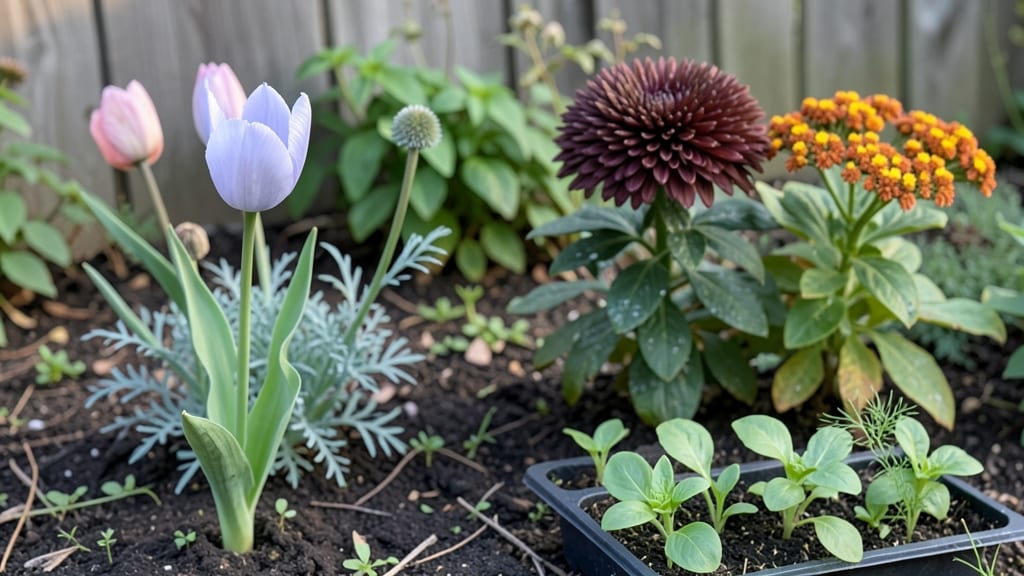
Seasonal flower planting isn't just about sticking seeds in the ground—it's about timing blooms to create a garden that looks stunning from January through December. I learned this the hard way when my spring bulbs emerged too early and got fried by a late frost.
The key is matching each flower to its ideal planting window, whether that's cool fall soil for spring bloomers or scorching summer heat for tropical annuals.
You'll need three simple prep steps before you even pick up a trowel: test your soil's drainage, choose varieties that thrive in your hardiness zone, and mark your calendar for the 6-week window before your average last frost.
Most gardeners overlook that last part—planting too early means weak roots, and too late means flowers flop in heat. I've narrowed it down to three seasonal trims that keep my garden bursting with color without extra work.
Imagine walking through your yard in July and seeing vibrant zinnias nodding in the breeze while your fall-planted daffodil bulbs are already sending up shoots for next spring. The secret is layering plants so each season has its own star performers.
Summer annuals like cosmos and marigolds handle the heat, while cool-season pansies and snapdragons take over as temperatures drop. Even your winter garden can shine with evergreen hellebores and dusty miller.
This system works in every climate, from Zone 3's harsh winters to Zone 10's mild ones—just adjust your timing by 2-4 weeks. The biggest mistake? Assuming all flowers follow the same schedule.
Some need cold stratification, others hate wet feet, and a few actually prefer planting in summer. Let's get your garden on the right timeline for maximum impact.
📚 In This Guide
- What you need
- Instructions
- Tips and common mistakes
- Wrapping up and next steps
What you need
- ● Seasonal flower seeds or bulbs: Spring: Tulips, Daffodils, Pansies (10-20 bulbs/seeds per variety)
- ● Summer: Marigolds, Zinnias, Sunflowers (50-100 seeds per variety)
- ● Fall: Chrysanthemums, Asters, Calendula (15-30 seeds per variety)
- ● Winter: Snowdrops, Winter Aconite, Hellebores (5-10 bulbs per variety)
- ● Potting soil or garden soil: 5-10 bags (2-3 cubic feet each), enriched with compost
- ● Containers or garden beds: Containers: 4-6" pots (10-20 units) or raised beds (1-2, depending on space)
- ● Garden beds: 4'x8' plots (1-2, with good drainage)
- ● Fertilizer: Slow-release granular (10-20 lbs) or organic options like composted manure
- ● Hand trowel (1, stainless steel for durability)
- ● Pruning shears (1, sharp and sterilized)
- ● Garden gloves (1-2 pairs, breathable material)
- ● Watering can or hose with adjustable nozzle (1)
- ● Mulch (2-3 bags, organic like straw or shredded bark)
- ● Soil pH test kit (1, to ensure optimal growing conditions)
- ● Drip irrigation system (for larger gardens)
- ● Decorative stones or pebbles (for container aesthetics)
- ● Seasonal flower care guide (printed or digital for reference)
How to plan a year-round flower garden with strategic trims
This approach keeps your garden vibrant through all seasons with minimal extra work.
Divide Your Garden Into Four Zones
Start by sketching your garden layout and dividing it into four distinct areas. Each zone will focus on a different season—spring, summer, fall, and winter interest. Use stakes or flags to mark boundaries clearly. I like to dedicate the sunniest spot to summer blooms, a partially shaded area to spring and fall flowers, and the north-facing section to evergreens and winter interest plants.
When selecting plants, prioritize those with staggered bloom times. For example, tulips and daffodils kick off spring, while black-eyed Susans and coneflowers carry the show into fall. This ensures you always have something in bloom. Label each zone with its seasonal focus to avoid confusion later.
Plant for Layered Seasonal Interest
Begin by planting your spring-blooming bulbs first, about 6-8 weeks before your last frost date. Use the 3 gallons of potting mix for containerized plants and mix it with 1 cup of bone meal to encourage strong root growth. Place bulbs 6-8 inches deep, depending on their size, with the pointed end facing upward.
Next, add summer annuals and perennials, spacing them 12-18 inches apart to allow room for growth. Choose varieties that thrive in your climate, like petunias, marigolds, or daylilies. For fall color, incorporate plants like mums, asters, or ornamental grasses. Finally, add evergreens or winter-blooming plants like hellebores or winter jasmine to keep the garden lively during colder months.
Schedule Three Strategic Trims per Year
The first trim happens in early spring, right after the last frost but before new growth appears. Remove all dead foliage and spent blooms from the previous year. Cut back perennials to about 2-3 inches above the ground, using sharp pruners to avoid damaging new shoots. This encourages fresh, healthy growth and prevents disease.
The second trim occurs in mid-summer, after the first flush of blooms has faded. Deadhead spent flowers to redirect the plant’s energy into producing more blooms. For woody plants, lightly prune to shape and remove any crossing branches. This keeps the garden looking tidy and encourages a second round of flowers.
The final trim takes place in late fall, after the first hard frost. Cut back all annuals and tender perennials to the ground. For evergreens, give them a light shaping trim to maintain their form. This prepares the garden for winter and reduces the risk of pests and diseases overwintering in dead foliage.
Maintain Soil Health Between Seasons
After each trim, add a 2-inch layer of mulch to retain moisture and regulate soil temperature. Use the 5 pounds of compost you’ve saved from kitchen scraps and yard waste to enrich the soil. Spread it evenly over the garden beds, avoiding direct contact with plant stems to prevent rot.
Water deeply once a week during dry spells, aiming for 1 inch of water per week. Use the garden hose with adjustable nozzle to deliver water slowly and evenly, soaking the root zone without wasting water. Avoid overhead watering to minimize fungal diseases. This consistent care keeps your plants healthy and ready for the next seasonal bloom.
Tips & tricks for seasonal flower planting
A few strategic moves will help you transform your garden into a year-round showstopper with minimal effort.
Seasonal Zoning Strategy: When dividing your garden into four zones, consider microclimates within your space. For example, if you have a south-facing wall, that area might get enough heat to support summer flowers even if the rest of your garden doesn't. This allows you to expand your summer zone beyond just the sunniest spot. I've successfully added a small summer zone near a brick wall that absorbs and radiates heat.
Planting Depth and Spacing: In Step 2, when planting your spring bulbs 6-8 inches deep, use your finger as a guide—most bulbs should be planted at a depth equal to about three times their diameter. For spacing between summer annuals and perennials, think of it this way: if you can comfortably walk between plants without touching them, you're likely in the right 12-18 inch range. This spacing prevents overcrowding and allows for proper airflow, which is crucial for disease prevention.
Pruning Precision: During your early spring trim in Step 3, focus on clean cuts just above a leaf node or bud. When cutting back perennials to 2-3 inches, look for healthy new growth emerging from the base—this is where your plant will put its energy. For woody plants during mid-summer, make your cuts at a 45-degree angle just outside the branch collar (the swollen area where the branch meets the trunk) to promote faster healing.
Soil Maintenance Hack: After each trim, when adding your 2-inch mulch layer, consider mixing in a handful of wood ash (from untreated wood) around acid-loving plants like azaleas or blueberries. This can help neutralize soil pH naturally. For other plants, stick to the 5 pounds of compost which provides balanced nutrition without risking pH imbalances. Always water thoroughly after amending soil to help nutrients settle around roots.
Pro Tips for Seasonal Flower Planting
- A few strategic moves will help you transform your garden into a year-round showstopper with minimal effort.
- Seasonal Zoning Strategy: When dividing your garden into four zones, consider microclimates within your space.
- Planting Depth and Spacing: In Step 2, when planting your spring bulbs 6-8 inches deep, use your finger as a guide—most bulbs should be planted at a depth equal to about three times their diameter.
Frequently asked questions
Got questions about seasonal flower planting?
You’re not alone! Here are answers to the most common queries to help you grow a vibrant, low-maintenance garden all year.
When is the best time to plant seasonal flowers for year-round blooms?
The ideal timing depends on your climate and flower type. In general, cool-season flowers (like pansies or snapdragons) thrive when planted in early spring or fall, while warm-season bloomers (such as zinnias or marigolds) love late spring or early summer. For a seamless transition, stagger plantings every 4–6 weeks—this ensures continuous color!
How do I keep seasonal flowers blooming all year without overwatering?
Consistency is key! Water deeply 2–3 times per week (adjust for rain) and always at the base of the plant to avoid fungal issues. Mulch with 2–3 inches of organic material (like straw or wood chips) to retain moisture and suppress weeds. Pro tip: Group plants with similar water needs together for efficiency!
What are the easiest low-maintenance seasonal flowers for beginners?
Start with these resilient picks:
- Pansies – Cold-hardy and bloom in almost any season (great for spring/fall).
- Zinnias – Drought-tolerant and attract pollinators; perfect for summer.
- Sweet Alyssum – Thrives in containers and spreads quickly for ground cover.
- Calendula – Edible, pest-repellent, and blooms nonstop from spring to frost.
What should I do if my seasonal flowers stop blooming?
Don’t panic! Over-fertilizing (especially with high-nitrogen feed) can lead to lush foliage but fewer flowers. Switch to a balanced or bloom-boosting fertilizer (like 5-10-5). Also, check for:
- Overcrowding – Thin plants if they’re competing for sunlight.
- Pests – Spider mites or aphids can stress flowers. Spray with neem oil if needed.
- Underwatering – Wilting leaves or drooping blooms? Water more frequently.
Can I grow seasonal flowers in containers, or do I need a garden bed?
Containers are perfect for small spaces or renters. Use pots with drainage holes and a lightweight potting mix. Choose compact varieties like petunias, geraniums, or nasturtiums. For year-round success:
- Move containers indoors (near a sunny window) in winter for tender plants.
- Swap out plants seasonally—e.g., spring bulbs → summer annuals → fall mums.
Wrapping up and next steps
Ready to transform your garden into a year-round blooming paradise?
Seasonal flower planting isn’t just about aesthetics—it’s about creating harmony with nature’s rhythms while keeping your space vibrant and full of life. 🌸 By mastering just three smart trims, you can extend blooms, boost health, and enjoy low-maintenance beauty with minimal effort.
Start small—pick one season to experiment, then build your confidence. Before you know it, you’ll be trimming like a pro and reaping the rewards of a garden that stays lush and colorful, no matter the weather. Happy gardening! 🌿