Diseases
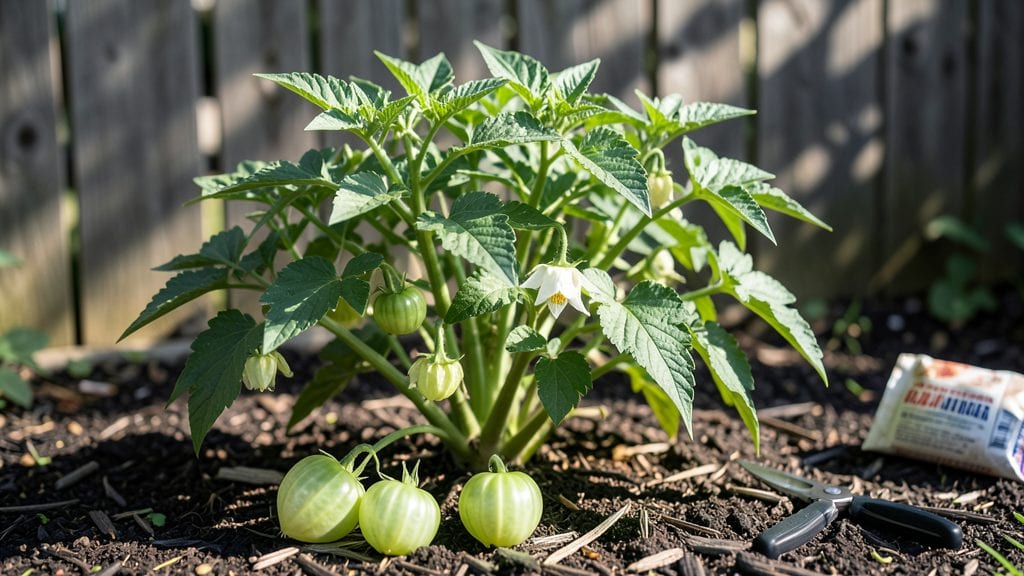
Tomatillo plant diseases can turn your lush harvests into a sad, spotted mess—but I’ve saved my own plants from total wipeouts using these early warning signs and organic fixes. 🌱 The key is catching problems before they spread, whether it’s the telltale black spots of early blight or the sticky leaves of aphids.
Most gardeners wait too long, and suddenly their plants look like they’ve been through a war.
My first year growing tomatillos, I lost half my crop to bacterial spot, and it was heartbreaking. Now I check leaves weekly for those tiny, water-soaked marks—early signs of trouble. The good news?
Simple fixes like copper fungicide sprays or neem oil can stop fungal spread in its tracks. Even better, preventive steps like proper spacing and removing infected leaves keep plants thriving without harsh chemicals.
By the time your tomatillos are ready to pick, your plants will be vibrant green and productive, not struggling. The secret is acting fast—once you spot those first symptoms, you’ve already won half the battle. Let’s get your plants back on track with these battle-tested solutions.
Works for backyard gardens, containers, or even small urban plots—no matter where you grow, these methods keep your tomatillos healthy and disease-free. The best part? Your harvest stays fresh, flavorful, and ready for salsas all season long.
Root Causes Behind Tomatillo Troubles
Tomatillo plants, though resilient, are vulnerable to a range of diseases that can stifle growth, wilt leaves, or rot fruit—often due to underlying environmental or biological triggers. Understanding why these issues arise is the first step to prevention.
Below, we break down the key culprits behind tomatillo plant diseases, from fungal invasions to environmental stress.
Tomatillos thrive in warm, dry conditions, but excess moisture—especially in crowded or shaded gardens—creates the perfect breeding ground for fungal pathogens like Phytophthora (root rot) and Alternaria (leaf spot). Here’s why it happens:
- Stagnant air: Dense foliage or overcrowded plants trap humidity, slowing evaporation and promoting fungal spores. Alternaria solani, for example, thrives in 75–90% humidity.
- Waterlogged soil: Clay or poorly draining soil prevents oxygen from reaching roots, weakening defenses. Pythium fungi exploit this, causing damping-off in seedlings.
- Nighttime dew: Persistent morning dew on leaves (common in tropical climates) extends moisture exposure, giving pathogens like Septoria more time to infect.
Pro Tip: 💡 Space plants 18–24 inches apart and prune lower leaves to improve airflow. Use drip irrigation to avoid wetting foliage.
Tomatillos are susceptible to diseases lurking in the soil, often introduced through infected plant debris, contaminated tools, or improper compost. Key offenders include:
| Disease | Cause | How It Spreads |
|---|---|---|
| Fusarium wilt | Fungal spores (Fusarium oxysporum) in old soil or infected roots. | Water, tools, or wind carries spores to healthy plants via root wounds. |
| Verticillium wilt | Soil-borne fungus (Verticillium dahliae) surviving for years in organic matter. | Infected plant residue or contaminated compost introduces spores. |
| Bacterial spot | Bacteria (Xanthomonas or Pseudomonas) hitchhiking on seeds or splashing water. | Rain or overhead watering spreads bacteria from soil to leaves. |
Pro Tip: 🔥 Solarize soil in late summer (cover with clear plastic for 4–6 weeks) to kill pathogens. Rotate crops annually and disinfect tools with 1:10 bleach-water solution.
Tomatillos demand balanced nutrition, and deficiencies or excesses weaken their immune response, making them prone to secondary infections. Common triggers:
- Nitrogen deficiency: Yellowing lower leaves (chlorosis) signal weak growth, making plants more susceptible to Septoria leaf spot.
- Potassium deficiency: Brown leaf edges or weak stems reduce disease resistance, while Phytophthora exploits stressed roots.
- Over-fertilization: Excess salt or synthetic fertilizers burn roots, inviting Pythium or Rhizoctonia.
- Extreme temperatures: Heat stress (>90°F) or cold snaps (<50°F) shock plants, opening doors for Alternaria infections.
Pro Tip: 🌡️ Test soil pH (aim for 6.0–7.0) and use organic matter (compost, worm castings) to avoid chemical burns. Mulch with straw to stabilize soil temps.
While pests like aphids or tomato hornworms don’t directly cause disease, they spread pathogens by:
- Feeding damage: Hornworms chew leaves, creating entry points for Fusarium or Verticillium.
- Honeydew secretion: Aphids excrete sticky residue that fosters sooty mold (Capnodium), blocking sunlight and stressing plants.
- Viral transmission: Whiteflies can carry Tomato mosaic virus, which stunts growth and increases susceptibility to fungal infections.
Pro Tip: ✨ Introduce beneficial insects (ladybugs, lacewings) or spray neem oil to control pests before they become a problem.
Quick Fixes for Tomatillo Plant Ailments
When your tomatillos show signs of distress, acting fast can save your harvest—and your sanity! Below are practical, organic solutions tailored to each common disease, plus prevention tips to keep your plants thriving. No fancy tools or chemicals needed—just smart, hands-on care.
🔥 For Powdery Mildew (White Dusty Spots)
Powdery mildew loves humidity and crowded plants, but you can starve it out with these steps:
- 🍳 Spray with Baking Soda Mix Combine 1 tbsp baking soda, 1 tbsp vegetable oil, and 1 gallon of water in a spray bottle. Shake well and apply every 7–10 days (or after rain). The oil helps the baking soda stick to leaves, disrupting fungal growth.
- 👨🍳 Improve Airflow Prune lower leaves to reduce humidity near the plant base. Space plants 18–24 inches apart and avoid overhead watering.
- ⏰ Morning Watering Only Water early in the day so foliage dries by sunset. Wet leaves at night = fungal party time.
💡 Prevention Pro Tip: Plant marigolds or garlic nearby—their strong scents naturally repel mildew spores!
🥘 Battling Early Blight (Brown Leaf Spots)
Early blight starts at the bottom and moves upward. Stop it in its tracks with:
- 🔪 Remove & Dispose of Infected Leaves Snip off yellow/brown leaves and compost them away from the garden (don’t add to soil—spores survive!).
- 🌡️ Copper Fungicide Spray (Organic Option) Use a store-bought copper fungicide (like Bonide Copper Fungicide) or make your own:
- 1 tsp copper sulfate + 1 quart water + 1 tsp soap (as a surfactant).
- Spray every 10 days or after rain.
- 🎯 Rotate Plant Locations Avoid planting tomatillos (or nightshades) in the same spot next year—blight spores linger in soil.
✨ Extra Defense: Mulch with straw or grass clippings to prevent soil splashing onto leaves.
🔪 Handling Bacterial Spot (Black Pocks on Leaves)
Bacterial infections spread fast—act immediately:
- 🍳 Hydrogen Peroxide Spray (3% Solution) Mix 1 tbsp 3% hydrogen peroxide + 1 quart water and spray affected leaves (test a small area first). Repeat every 5–7 days.
- 👨🍳 Prune & Sterilize Tools Cut out infected leaves with disinfectant-pruned shears (wipe with rubbing alcohol between cuts).
- 🌡️ Avoid Overhead Watering Use a drip irrigation system or water at the base to keep leaves dry.
💡 Prevention Pro Tip: Plant resistant varieties like ‘Purple de Milpa’—they tolerate bacterial issues better.
🥘 Stopping Viruses (Mosaic Patterns)
Viruses (like Tomato Mosaic Virus) have no cure, but you can limit spread:
- 🔪 Remove Infected Plants Immediately Pull up entire plants showing mosaic patterns and burn or bag them (don’t compost).
- 🌡️ Control Vectors (Aphids & Whiteflies) Spray with neem oil (1 tbsp neem oil + 1 quart water + 1 tsp soap) to kill aphids, which spread viruses.
- 🎯 Rotate Crops Avoid planting tomatoes, peppers, or eggplants in the same bed for 3–4 years.
✨ Long-Term Fix: Keep your garden weed-free—weeds attract pests that spread viruses.
| Problem | Quick Fix | Prevent Next Time |
|---|---|---|
| Powdery Mildew | Baking soda spray + airflow | Plant marigolds, space plants |
| Early Blight | Copper spray + leaf removal | Crop rotation, mulch |
| Bacterial Spot | Hydrogen peroxide spray + pruning | Drip irrigation, resistant varieties |
| Viral Infection | Remove plant + neem oil for pests | Weed control, 3-year crop rotation |
💡 Final Tip: Healthy soil = happy plants! Add compost or worm castings at planting time to boost immunity. A strong plant fights diseases better than any spray.
Now grab your spray bottle and get to work—your tomatillos (and salsa!) will thank you! 🌶️🍅
Frequently asked questions about tomatillo plant diseases
What are the first signs of fungal diseases in tomatillo plants?
Look for powdery white residue (powdery mildew) or dark brown/black spots with yellow halos (early blight) on leaves. These often appear first on lower leaves and spread upward. If you see these, act fast—fungal spores spread quickly in humid conditions.
Can I save a tomatillo plant already infected with bacterial spot?
Unfortunately, bacterial spot has no cure, but you can limit the damage. Remove infected leaves immediately and spray with hydrogen peroxide (1 tbsp 3% solution per quart of water). For severe cases, consider removing the entire plant to prevent spread to healthy plants.
Why do my tomatillo plants keep getting powdery mildew even after treatment?
Powdery mildew thrives in humid, crowded conditions. If it keeps returning, check your spacing (18–24 inches apart is ideal) and watering habits—avoid overhead watering. Adding airflow with pruning and planting marigolds nearby can also disrupt the fungal cycle.
How do I know if my tomatillo plant has a viral infection?
Watch for mosaic patterns (light/dark green patches) or stunted growth—these are classic signs of viral infections like Tomato Mosaic Virus. Viruses can’t be cured, so remove infected plants immediately and control pests (aphids/whiteflies) with neem oil to prevent spread.
Is it safe to compost leaves from diseased tomatillo plants?
No—never compost infected plant material. Fungal spores and bacteria can survive composting and reinfect your garden. Instead, bag and discard infected leaves in the trash or burn them (if safe in your area).