
Light Requirements
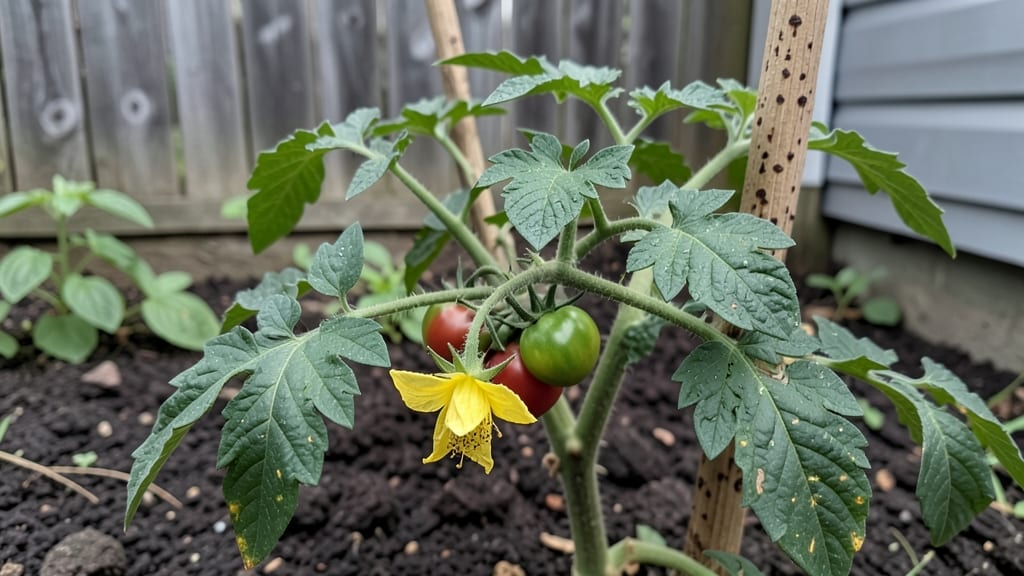
Understanding your tomato plant sun requirements is key—6 to 8 hours of direct sunlight daily unlocks the secret to juicy fruit and robust vines.
Ever planted tomatoes that looked healthy but produced tiny, bland fruit—or worse, no fruit at all? That’s often a sun problem. Too little light stunts growth, while too much can scorch leaves and reduce yields.
The trick is finding the sweet spot, especially in Zone 6a where spring and fall bring shorter days.
Most gardeners assume full sun means all-day baking, but tomatoes actually prefer gentle morning rays and afternoon shade in extreme heat.
I’ll break down the exact sunlight range, how to spot deficiencies, and smart adjustments for containers or partial-shade spots—so you can finally get those plump, flavorful tomatoes you’ve been dreaming of.
From choosing the right varieties for your light conditions to creative solutions like reflective mulch, you’ll learn how to tweak your setup for peak production—no guesswork required.
How many hours of sun do tomato plants need daily?
If you're dreaming of a bountiful tomato harvest, sunlight is your secret weapon—but not all light is created equal. Tomato plants thrive with 6 to 8+ hours of direct sunlight daily, though they can tolerate 4-5 hours in partial shade if you choose the right varieties.
The key? Balancing intensity and duration while adapting to your local climate and season. Too little sun stunts growth, while too much can scorch leaves and fruit. Let’s break down the science so you can position your plants for success.
Most gardeners assume "full sun" means all-day exposure, but tomatoes need more than just any sunlight—they crave intense, unfiltered rays. Morning sun (6 AM–12 PM) is ideal because it’s cooler and less likely to cause stress.
Afternoon sun (12 PM–6 PM) can be brutal in summer, especially in hot climates like USDA Zones 8-10, where temperatures often exceed 90°F (32°C). If your garden gets scorching afternoon heat, consider light shade cloth (30-50%) during peak hours to protect young plants without sacrificing growth.
Here’s the golden rule: 6 hours of sun = minimum for survival, 8+ hours = maximum yield, and 10+ hours in summer = risk of sunburn. The sweet spot varies by tomato type—heirlooms and beefsteaks demand more light than cherry or dwarf varieties.
Even a 1-hour difference in sunlight exposure can cut your harvest by 20-30%. That’s why I always test my garden’s sunlight before planting.
🌱
Calculating sunlight in your garden isn’t guesswork—it’s a simple observation task. Grab a notebook and track sunlight for a week using this method: Mark the hours your garden gets direct sun (no dappled shade). Start at 6 AM and note when shadows appear.
For example, if your garden loses sun by 3 PM, you’ve got 9 hours of sunlight—perfect for beefsteaks but potentially too much for cherry tomatoes in summer. Pro tip: Use a sunlight calculator app (like Sun Surveyor) to map your yard’s light patterns.
Seasonal shifts are everything. In spring and fall, when days are shorter, tomatoes need supplemental light if you’re growing in containers or greenhouses. I’ve used LED grow lights (12-14 hours/day) to extend the season by 4-6 weeks.
During summer solstice (June 21), days are longest—up to 15 hours of daylight in northern climates. Here, I provide afternoon shade with white shade cloth (30%) to prevent leaf scorch, especially for heat-sensitive varieties like 'Black Krim'.
Containers complicate things because they overheat faster than in-ground beds. A 5-gallon pot can get 10°F hotter than soil, stressing roots. To compensate, I place pots in partial shade by 1 PM in summer and use light-colored containers to reflect excess heat.
If you’re growing in urban balconies or rooftops, prioritize south-facing exposure (northern hemisphere) or north-facing (southern hemisphere) for maximum light.
Myth-busting time: "Tomatoes can handle partial shade" is true—but only for specific varieties and growth stages. Seedlings need 12-14 hours of light to prevent legginess. Once established, adult plants can survive 4-5 hours of sun, but fruit production drops by 50%.
For example, 'Stupice', a Czech heirloom, thrives in 50% shade and even produces better-tasting fruit in cooler climates. If you’re in Zone 5 or cooler, consider early-maturing varieties like 'Early Girl' to harvest before summer shade sets in.
🌿
Ready to optimize? Start by auditing your garden’s sunlight this week. Move your
Signs your tomato plants aren’t getting enough (or too much) sun
Tomatoes are sun-worshippers, and when they don’t get enough light, they’ll show you in dramatic ways. Pale yellow leaves or stunted growth are classic red flags that your plants are begging for more sunlight.
Even worse, blistered fruit or crispy leaf edges mean you’ve overdone it with the sun exposure. These visual cues help you diagnose the issue before your harvest suffers.
Sunlight is a double-edged sword—too little stunts growth, while too much burns your plants. Morning sun is gentler than afternoon heat, so positioning matters. If your tomatoes are struggling, check their placement first.
Even a few hours of shade at the wrong time can throw off their development, leading to poor fruit set or bitter-tasting tomatoes.
Too Little Sun ⚠️
- Symptoms: Yellowing leaves (chlorosis), weak stems, few flowers
- Cause: Less than 6 hours of sunlight daily
- Fix: Move to sunnier spot or use reflective mulch
Too Much Sun ⚠️
- Symptoms: Brown/white patches on leaves, blistered fruit, crispy edges
- Cause: Intense afternoon sun (12 PM–4 PM) without acclimation
- Fix: Provide afternoon shade cloth (30–50%) or drip irrigation
If your tomato plants are leggy and stretching toward the light, they’re starving for sun.
This happens when they’re crowded or placed too far from a south-facing window or garden bed. Prune lower leaves to improve airflow and redirect energy to fruit production, but don’t overdo it—you still need foliage to photosynthesize.
On the flip side, white or brown scorch marks on leaves mean your plants are getting too much direct sun, especially in hot climates.
Unlike sun deficiency, this damage is irreversible, but you can prevent it by gradually acclimating young plants to full sun (a process called "hardening off") and using lightweight shade cloth during peak afternoon heat.
For container growers, rotate pots weekly to ensure even sun exposure. Tomatoes in pots dry out faster and overheat, so self-watering systems or mulch can help regulate temperature. If your plants are wilting by midday, they’re likely suffering from heat stress—move them to a slightly shadier spot temporarily.
Watch for flower drop or poor fruit set—both can signal sunlight issues. Tomatoes need consistent light to pollinate properly. If flowers aren’t turning into fruit, try gentle hand-pollination (tap stems lightly) and ensure they’re getting at least 6 hours of direct sun.
With the right balance, your plants will reward you with juicy, flavorful tomatoes all season long. 🌱