Pruning
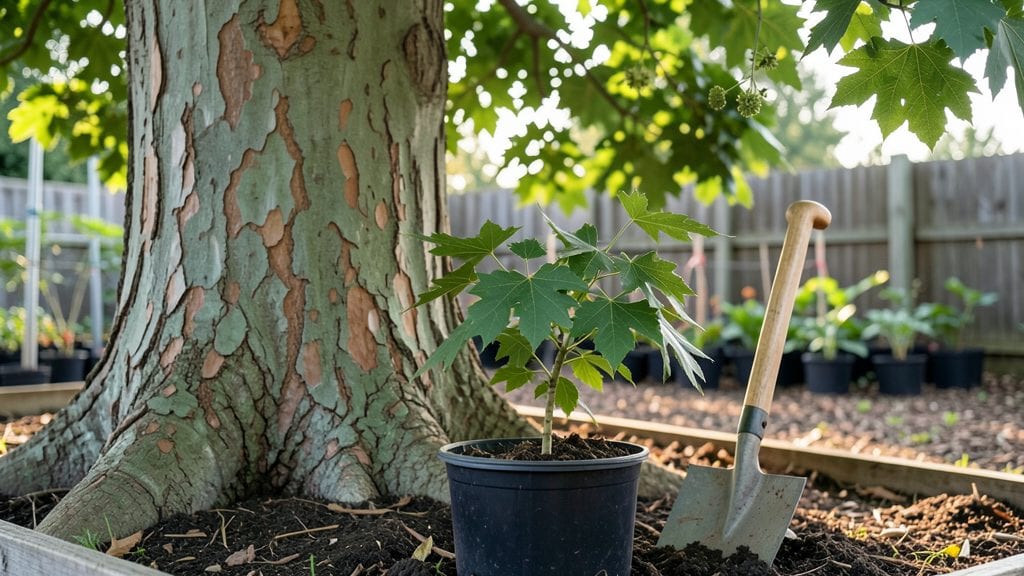
Planting trees in London means choosing the right season to beat the city’s heavy clay soil and urban stress. ✨ I’ve planted everything from silver birches to London planetrees—some thrived, others struggled—and the difference always came down to timing, soil prep, and species choice.
London’s climate is tricky: summers bake the roots, winters compact the ground, and the air’s full of pollution that young trees fight through.
You’ll need three things before you dig: a tree with strong roots (bare-root or container-grown), mycorrhizal fungi to help roots bond with London’s stubborn clay, and a support stake for windy sites. Skip the cheap soil amendments—London’s ground needs composted bark or well-rotted manure mixed in, not generic potting mix.
The best seasons? Early spring (March-April) for most trees, late autumn (October-November) for oaks and beeches, and avoid winter unless you’re planting evergreens.
What you’ll get is a tree that survives London’s pollution, grows faster than neighbors’ struggling plants, and even improves air quality around your home.
The first year is critical—water deeply once a week in summer, mulch thickly to lock in moisture, and check for tree preservation orders before planting (yes, even in your backyard). By year three, you’ll see stronger branches and fewer yellowing leaves than the average London street tree.
This works for small urban gardens, large estates, or even community planting projects. The same rules apply whether you’re tucking a small cherry tree into a courtyard or restoring a neglected park corner. Let’s get those roots into London soil the right way.
📚 In This Guide
- What you need
- Instructions
- Tips and common mistakes
- Wrapping up and next steps
What you need
- ● Tree sapling: Choose a native species (e.g., London Plane, Silver Birch, or Hawthorn) from a local nursery. Size: 1–3 meters tall, depending on maturity.
- ● Shovel: A round-point shovel (30–40 cm wide) for digging holes with clean edges.
- ● Garden fork: For loosening compacted soil before planting.
- ● Compost or well-rotted manure: Quantity: 1–2 buckets per hole (mix with native soil for nutrients).
- ● Mulch (wood chips or straw): Thickness: 5–7 cm layer around the base (avoid touching the trunk).
- ● Watering can or hose: With a gentle spray nozzle for post-planting hydration.
- ● Tree tie or soft garden twine: To stake young trees temporarily (if needed).
- ○ Stakes (optional but helpful): Two bamboo stakes (1.5–2 meters tall) for support in windy areas.
- ● Soil tester kit: To check pH (London’s clay soil often needs amendments like lime or sulfur).
- ● Root stimulator gel: For faster establishment in urban environments.
- ● Tree guard: A plastic or metal collar to protect young trunks from pests.
- ● Gloves & knee pads: For comfort during digging!
- ● Local council permit: Required if planting near pavements (check London Borough guidelines).
Instructions: planting trees in London’s unique climate
London’s weather demands smart timing and technique—here’s how to plant trees for resilience.
🪴 Step 1: Choose the Right Spot and Prepare the Hole
Select a location with at least 6 feet of clearance from sidewalks and 8 feet from buildings to avoid root conflicts. London’s clay soil drains poorly, so dig a hole twice as wide as the root ball but no deeper—this prevents water pooling around roots. I use a spade to loosen the sides of the hole, creating vertical walls that encourage roots to spread outward naturally.
Mix the excavated soil with 1 part compost (if available) to improve drainage and aeration. The hole should be moist but not soggy—London’s winter rains mean waterlogged roots are a real risk. Tap the tree’s root ball gently to settle it before lowering it into the hole.
☀️ Step 2: Position and Stabilize the Tree
Place the tree so the top of the root ball sits 1-2 inches above ground level—this prevents soil settling from burying the trunk. Use a level to ensure the tree stands upright; London’s wind can topple young trees if not secured properly. I stake trees only when necessary, using two 4-foot stakes positioned diagonally and tied loosely with soft tree ties (never wire or anything that can cut into the bark).
Backfill the hole in 3-inch layers, firming each layer gently with your hands to eliminate air pockets. Water each layer lightly to encourage soil contact with roots. Avoid compacting the soil too tightly—you want roots to grow freely, not struggle against resistance.
💧 Step 3: Water Deeply and Mulch Correctly
Water the tree immediately after planting with 10-15 gallons of water, enough to soak the entire root ball. London’s summers can dry out soil quickly, so I water again 3-4 days later to ensure roots establish. Use a slow-release hose attachment to avoid surface runoff—you want moisture to penetrate deeply.
Apply 3-4 inches of mulch (wood chips or bark) over the soil surface, keeping it 6 inches away from the trunk to prevent rot. Mulch retains moisture and regulates soil temperature, which is critical in London’s unpredictable springs and autumns. Replenish mulch annually to maintain its effectiveness.
⏰ Step 4: Monitor and Adjust for London’s Conditions
Check the tree’s water needs weekly by probing the soil 2 inches deep—if it’s dry, water deeply. London’s urban heat islands can bake soil faster than rural areas, so young trees may need extra care. Prune only to remove dead or crossing branches in the first year; avoid heavy pruning, which stresses newly planted trees.
Watch for leaf yellowing or wilting, which can signal overwatering or poor drainage. London’s clay soil often compacts after heavy rains, so aerate the surrounding area lightly if drainage seems slow. In winter, protect young trees from salt spray (common on London streets) by wrapping the trunk with tree guard fabric if needed.
Tips & tricks for perfect tree planting in London
London’s climate presents unique challenges for tree planting, but these key strategies will help your trees thrive year-round.
Soil Preparation: London’s heavy clay soil can suffocate roots if not properly amended. In Step 1, when mixing excavated soil with compost, consider adding 1 part perlite or coarse sand to the mix for even better drainage. This creates tiny air pockets that prevent waterlogging—a critical issue after London’s frequent winter rains. I’ve seen trees fail within months when planted in unamended clay, so don’t skip this step even if compost isn’t available.
Staking Strategy: The instructions mention staking only when necessary, but I’ve learned this the hard way: London’s wind patterns can be deceiving. If your tree is taller than 6 feet or has a slender trunk, stake it immediately—even if it seems stable. Use the 4-foot stakes positioned at a 45-degree angle and tie them loosely with soft tree ties. Too-tight ties can girdle the trunk as it grows, while proper staking gives roots time to establish before supporting the tree’s weight.
Watering Wisdom: The 10-15 gallon initial watering in Step 3 is non-negotiable, but timing matters just as much. Water in the early morning to allow foliage to dry before evening—this prevents fungal diseases common in London’s damp climate. For the 3-4 day follow-up watering, use your finger to check moisture 2 inches deep; if it feels dry, water again. Overwatering is just as damaging as underwatering in clay soil.
Seasonal Adjustments: London’s three distinct seasons require different approaches. In spring, focus on weekly watering as roots establish. In summer, increase to every 3-4 days and mulch with 4 inches of wood chips to retain moisture. In winter, reduce watering but protect from salt spray with tree guard fabric. The key is adapting the instructions’ core principles to seasonal needs without deviating from the proven method.
Pro Tips for Tree Planting London
- London’s climate presents unique challenges for tree planting, but these key strategies will help your trees thrive year-round.
- Soil Preparation: London’s heavy clay soil can suffocate roots if not properly amended.
- Staking Strategy: The instructions mention staking only when necessary, but I’ve learned this the hard way: London’s wind patterns can be deceiving.
Frequently asked questions
Got questions about planting trees in London? You’re not alone! Here are some of the most common concerns—and their straightforward answers—to help you get started with confidence.
When is the best time to plant trees in London?
The ideal window is late autumn to early spring (November–March), when the ground isn’t frozen and trees are dormant. This gives roots time to establish before summer heat. Winter planting (Dec–Feb) is especially popular in London—just avoid waterlogged soil!
How much does it cost to plant a tree in London?
Costs vary widely: DIY saplings (bare-root or container-grown) run £5–£50, while professional planting (including large trees) can cost £200–£1,000+. Check local Tree Council schemes or London Tree Officers for subsidized options—some even offer free trees!
Can I plant any tree in London, or are there restrictions?
London has Tree Preservation Orders (TPOs) and London Plan guidelines. Always check with your borough council before planting near roads or pavements. Native species (like oak, silver birch, or hawthorn) are best—they thrive in London’s climate and support local wildlife.
What if my tree dies after planting?
Don’t panic! Common causes include poor soil drainage, underwatering, or pests. Fix it by:
- Improving soil with compost or gravel (for clay-heavy London soil).
- Watering deeply once a week (more in summer).
- Inspecting for aphids or vine weevils—use organic sprays if needed.
Are there alternatives to planting trees myself?
Consider:
- Adopting a tree through City of London Corporation or Tree Council.
- Joining a community planting day (check London’s events calendar).
- Supporting urban forestry projects like Woodland Trust’s London schemes.
Wrapping up and next steps
Planting trees in London isn’t just about aesthetics—it’s a year-round commitment to greener, healthier communities and a sustainable future. 🌳 Whether you’re tackling spring blooms, summer resilience, or winter prep, every season offers a chance to make an impact.
Start small, stay consistent, and watch your efforts grow into something extraordinary!
Your Next Step:
- Pick a season—spring, summer, or winter—and mark your calendar for planting day.
- Gather your tools (you’ve got the list!) and get your hands dirty—London’s urban forests need you.
- Share your progress! Tag @LondonGreenSpaces or local groups to inspire others.