
Watering
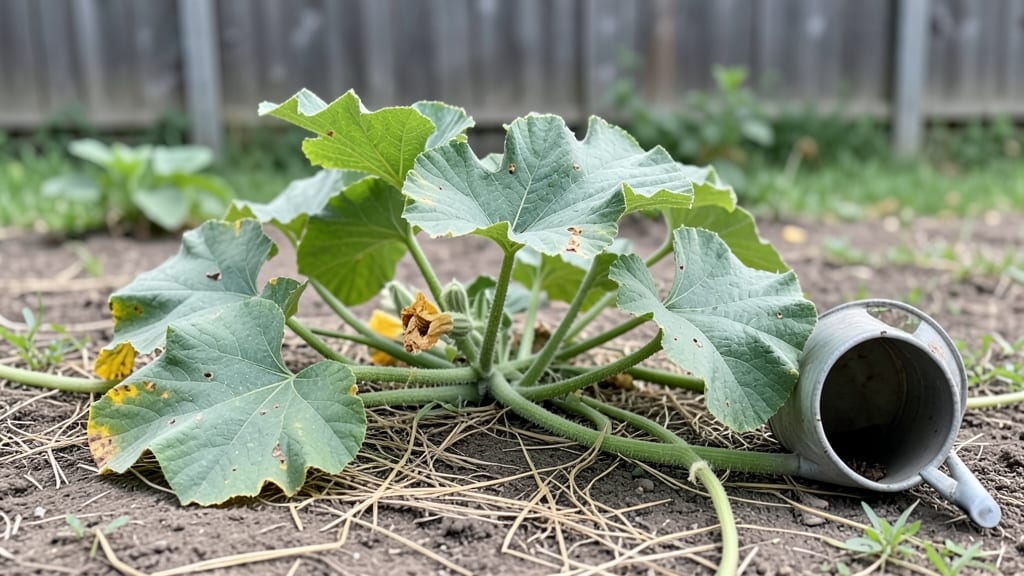
Your pumpkin vines look like they’re throwing in the towel—but don’t give up yet. 🌱 Underwatered pumpkin plants can bounce back with the right approach, and I’ve got the exact steps that saved my own struggling vines last summer.
The key isn’t just dumping water; it’s fixing the why behind the thirst so you don’t repeat the same mistakes.
First, check the soil—if it’s dry 2 inches down, your plant’s already in distress. Pumpkins need 1-2 inches of water per week, but heavy clay or sandy soil can make that impossible.
I switched to drip irrigation with a timer, and within 48 hours, my wilting leaves perked right up. The secret? Deep, infrequent watering that encourages roots to grow downward instead of sitting at the surface.
You’ll see new growth within 3-5 days if you water correctly, but long-term success means mulching (straw or shredded leaves work great) to lock in moisture and amending the soil with compost.
That way, your pumpkins stay hydrated without you babying them every afternoon. Let’s turn those limp vines into a thriving patch.
This works for both bush and vining pumpkins, whether you’re dealing with a 5-gallon container or a full raised bed. The same rules apply—just adjust the water volume. No more guessing games, just healthy, happy plants ready to produce.
Root Causes of Wilting Pumpkins
Underwatered pumpkin plants don’t just happen by accident—they’re usually a sign that something fundamental in their care went wrong. Whether you’re a seasoned gardener or a curious beginner, understanding the why behind wilting vines is the first step to fixing the problem.
Let’s break down the most common causes and what’s really going on in your soil.
Pumpkins have deep, sprawling root systems that can stretch 3–5 feet wide (and even deeper in loose soil). When you water them only at the surface, their roots struggle to access moisture, leading to stress and wilting. Here’s why this happens:
- Shallow watering = dry roots: Most gardeners water pumpkins with a quick sprinkle or hose, but this only wets the top 1–2 inches of soil.
Pumpkin roots need deep, thorough hydration to reach their full potential. - Evaporation steals moisture: Pumpkin leaves are large and transpire (release water vapor) rapidly, especially in hot weather.
If the soil doesn’t replenish lost moisture fast enough, the plant wilts as a survival response. - Morning vs. evening matters: Watering late in the day (when humidity is high) reduces evaporation, while midday watering can scorch leaves and force roots to work harder just to stay hydrated.
💡 Pro Tip: Use a moisture meter or the "finger test"—stick your finger 3–4 inches deep into the soil. If it feels dry, it’s time to water deeply.
Pumpkins hate soggy feet—but they also can’t thrive in hard, compacted soil. Both extremes prevent roots from absorbing water efficiently, leading to underwatering symptoms even if you are watering regularly.
- Clay-heavy or dense soil = root suffocation: Compacted soil restricts oxygen flow, forcing roots to "drown" in their own moisture.
This makes it hard for them to absorb water, even when the surface looks wet. - No organic matter = poor water retention: Sandy or rocky soil drains too quickly, leaving roots high and dry.
Without compost or mulch, water runs away before roots can use it. - Overwatering without drainage: If your garden bed has no slope or clogged drainage, water pools at the roots, cutting off oxygen. Roots rot instead of absorbing nutrients, mimicking an underwatered state.
🌡️ Fix It: Amend soil with compost, coconut coir, or perlite to improve structure. For clay soil, raise beds or plant in well-draining mixes.
Pumpkin vines are heavy feeders, but when they’re too close to each other or lack support, their energy goes into survival—not growth. This weakens their ability to transport water from roots to leaves.
- Competition for nutrients: Too many plants in one spot deplete soil moisture faster than roots can replenish it.
Each vine acts like a straw, sucking up water—if there are too many straws, they all run dry. - Weak stems can’t support hydration: If pumpkins are not trellised or pruned, their vines sprawl, shading the soil and increasing evaporation.
Weak stems also can’t efficiently pull water from deep roots. - Pests or diseases stressing the plant: Squash vine borers, powdery mildew, or aphids drain a plant’s energy. A stressed pumpkin prioritizes survival over water transport, causing wilting even with adequate moisture.
✨ Solution: Space vines 3–5 feet apart, prune excess foliage, and use row covers to deter pests.
Sometimes, wilting isn’t about how much you water—it’s about what’s happening around your pumpkin. Heat, wind, and even your water source can sabotage hydration.
- Extreme heat or drought: Pumpkins love warmth, but temperatures above 90°F (32°C) cause leaves to transpire at lightning speed. If roots can’t keep up, wilting follows. - Strong winds dry out leaves faster: Large pumpkin leaves act like sails, losing moisture quickly.
Wind also stirs up dry soil, increasing evaporation. - Using hard water or tap water with chemicals: High chloride or fluoride in tap water can disrupt root function, making it harder to absorb moisture.
Rainwater or filtered water is ideal. - Sudden temperature drops: Frost or cold nights shock roots, slowing water uptake. Mulching helps insulate soil and maintain steady moisture.
🔥 Quick Fix: Mulch heavily (straw or grass clippings) to retain moisture, water deeply in the evening, and avoid overhead sprinkling in windy conditions.
Newly transplanted pumpkin seedlings take 2–3 weeks to establish strong roots. During this time, they’re extremely vulnerable to underwatering because their root network is still developing.
- Transplant shock: When you move a young pumpkin, its roots get damaged or stressed, slowing water absorption.
If you don’t water immediately after planting, the plant struggles to recover. - Slow root growth in cool soil: If soil temps are below 60°F (15°C), roots grow sluggishly, leaving the plant dependent on shallow moisture. - Over-potting before transplanting: If you start seeds in small containers, roots circle and compact, making it harder to absorb water once in the ground.
👨🍳 Prevention: Hardening off seedlings (acclimating them to outdoor conditions) and planting in warm soil (above 65°F/18°C) speeds up root growth. Water gently but consistently for the first 10 days after transplanting.
Revive Your Pumpkin Plant Fast
Now that you know the signs and root causes of an underwatered pumpkin plant, it’s time to take action! The good news? Most wilting and stress can be reversed with the right care.
Below, we’ve mapped out practical, step-by-step solutions for each common cause—plus prevention tips to keep your vines thriving long-term.
If your pumpkin’s soil is bone-dry or cracking, it needs deep, slow hydration to rejuvenate its roots.
Step 1: Water Deeply (Not Just a Sprinkle) 🌱
- Use a garden hose with a slow setting or a watering can with a long spout to soak the soil 6–8 inches deep.
- Test depth: Stick your finger in the soil—if it’s dry past 2 inches, keep watering until moisture reaches 6+ inches.
- Pro tip: 💡 Morning watering (before 10 AM) reduces evaporation and fungal risks.
Step 2: Mulch to Lock in Moisture 🌿
- Spread 2–3 inches of organic mulch (straw, shredded leaves, or wood chips) around the base (but not touching the stem).
- Mulch slows evaporation, keeps roots cool, and discourages weeds that compete for water.
Step 3: Adjust Your Watering Schedule ⏰
- Mature pumpkin plants need 1–2 inches of water per week (more in extreme heat).
- Check soil daily in hot climates—wilting can happen in just 24 hours if neglected.
- Avoid shallow watering: Light, frequent sprinkles encourage shallow roots, making plants more drought-prone.
If your pumpkin is wilting from heat + drought, it’s suffering from transpiration overload—it’s losing water faster than the roots can absorb it.
Step 1: Provide Shade (Temporarily) ☀️
- Use shade cloth (30–50%) or lightweight row covers during peak sun (11 AM–3 PM).
- DIY fix: Drape a white bedsheet over a hoop near the plant for a few hours.
Step 2: Increase Humidity Around the Plant 💦
- Mist the leaves (early morning only) to reduce water loss.
- Group plants together—they create a microclimate with higher humidity.
- Avoid wetting foliage at night (risk of disease).
Step 3: Water at the Roots, Not the Leaves 🌊
- Direct water to the soil, not the leaves, to minimize evaporation.
- Use a soaker hose or drip irrigation for slow, deep watering.
If leaves are yellowing, curling, or crispy, the plant is struggling to recover from severe dehydration.
Step 1: Trim Damaged Foliage ✂️
- Snip off crispy or brown leaves with clean scissors to redirect energy to healthy growth.
- Don’t remove more than 20%—you want the plant to keep photosynthesizing.
Step 2: Fertilize Lightly for Recovery 🌱
- Mix half-strength balanced fertilizer (10-10-10) with water and apply to the soil.
- Avoid high-nitrogen feeds—they encourage leafy growth but stress roots when plants are already weak.
- Organic option: Compost tea or fish emulsion (diluted) gives a gentle nutrient boost.
Step 3: Monitor for Pests 🐜
- Stressed plants attract pests like aphids or spider mites.
- Spray with neem oil (mixed as directed) to prevent infestations.
Once your pumpkin plant perks up, keep these habits to avoid another drought crisis:
✅ 🌡️ Check soil moisture daily in extreme heat—wilting can happen overnight. ✅ 🕒 Water in the early morning (before 10 AM) for optimal absorption. ✅ 🌿 Use mulch year-round (even in cooler months) to retain moisture. ✅ 💧 Invest in a moisture meter ($10–$20) for foolproof hydration tracking. ✅ 🌱 Train vines to spread out—more surface area = better shade for roots. ✅ 🚰 Collect rainwater in barrels to reduce reliance on tap water.
| Problem | Immediate Fix | Long-Term Prevention |
|---|---|---|
| Bone-dry soil | Deep watering + mulch | Adjust watering schedule, use drip irrigation |
| Heat stress | Shade cloth + root-focused watering | Plant in partial shade, mulch heavily |
| Crispy/yellow leaves | Trim damage + light fertilizer | Neem oil spray, monitor pests |
| Shallow roots | Soaker hose for deep watering | Mulch + consistent deep watering |
Your pumpkin plant can bounce back—just give it consistent care, patience, and the right amount of water. Within 3–7 days, you should see new growth and perked-up vines! 🎉🎃
Frequently asked questions
How do I know if my pumpkin plant is truly underwatered?
Check the soil 2-3 inches deep—if it's dry, that's your first sign. Look for wilted leaves that don't bounce back when you touch them, yellowing edges on older leaves, or cracked soil around the base. Pumpkins also show stress by dropping flowers or small fruits when thirsty.
Can I overwater a pumpkin plant after it's been underwatered?
Yes, but it's dangerous. After reviving dry roots, water deeply but infrequently—1-2 inches per week is ideal. Too much water too soon can drown the roots or cause fungal diseases. Always check soil moisture before watering again.
What's the best time of day to water pumpkins?
Early morning (before 10 AM) is perfect—it gives roots time to absorb moisture before the heat of the day. Avoid evening watering as damp foliage can attract pests. If you must water in the evening, do it 2-3 hours before sunset for leaves to dry.
Will my pumpkin recover if it's already lost flowers or small fruits?
Yes, but focus on reviving the vines first. Once leaves perk up and new growth appears (3-5 days), the plant can produce new flowers and fruits. Remove only severely damaged foliage—healthy leaves power recovery.
Can I use tap water with high chlorine for my pumpkin plants?
It's better to avoid it. Chlorine and fluoride can stress roots and reduce water absorption. Let tap water sit 24 hours before using, or collect rainwater in barrels. If you must use tap water, water deeply to flush out chemicals from the soil.