
Pruning
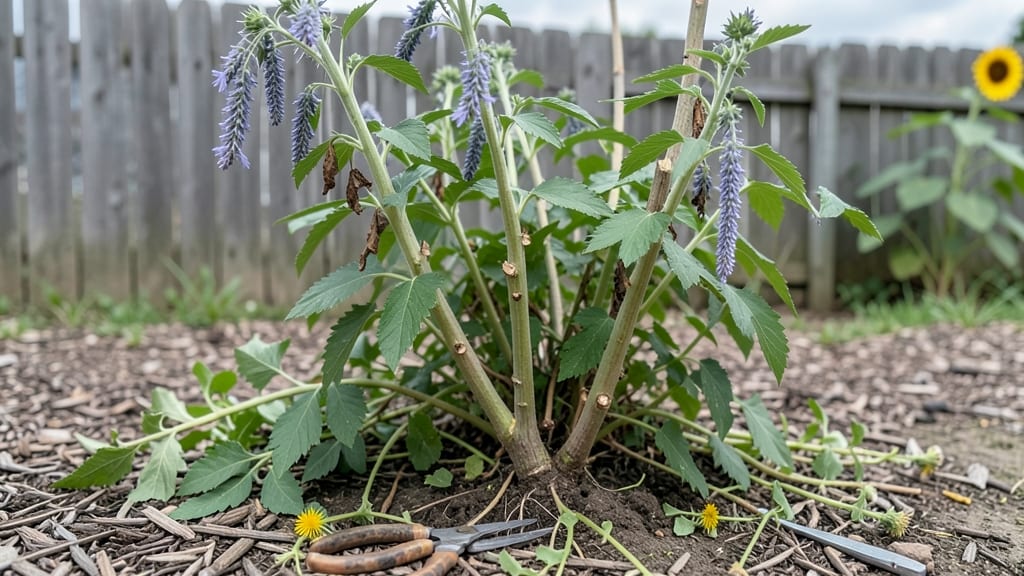
Pruning vitex plants transforms them from occasional bloomers into year-round flowering machines—and the secret lies in timing, not just cutting. I learned this after my first vitex plant sat dormant for months after a random trim, while my neighbor’s bloomed nonstop.
The right three cuts at the right times create that difference, and I’ll show you exactly how.
You only need three basic tools: sharp pruning shears, loppers for thicker branches, and a clean hand saw for stubborn stems. The real magic happens in early spring, right after flowering, and then again in late summer to shape the plant.
Even experienced gardeners skip these cuts, assuming vitex is low-maintenance—until they see how much more vibrant and productive it becomes after proper pruning.
After just one season of strategic cuts, you’ll notice darker green leaves, longer flowering branches, and blooms that last from spring through fall. The plant grows fuller, resists disease better, and even handles winter cold more easily.
The key is cutting back by one-third each time—never more—to encourage new growth without shocking the plant.
This method works for both vitex agnus-castus and vitex ‘Shasta’, though dwarf varieties need gentler cuts. Whether you’re dealing with a 3-foot shrub or a 10-foot tree-form vitex, the same principles apply. Let’s get those shears ready—your vitex is about to become the showstopper of your garden.
📚 In This Guide
- What you need
- Instructions
- Tips and common mistakes
- Wrapping up and next steps
What you need
- ● Pruning shears – Bypass-style (for clean cuts), sharp (disinfect with rubbing alcohol between cuts).
- ● Loppers – Long-handled (for thicker branches, 1–2 inches in diameter).
- ● Pruning saw – Bow or folding saw (for branches too thick for loppers, 3+ inches).
- ● Gloves – Heavy-duty, cut-resistant (protects hands from thorns and sap).
- ● Disinfectant – Rubbing alcohol (70%+) or pruning sealant (prevents disease spread).
- ● Garden twine or zip ties – For temporary support if heavy branches need guidance.
- ● Wheelbarrow or bucket – For debris removal (1–2 gallons capacity).
- ○ Marking spray (optional but helpful) – Bright paint or tape (to tag cuts for future reference).
- ● Safety glasses – Protects eyes from debris.
- ● Knee pads – For comfort during ground-level pruning.
- ● Extension pole saw – For high branches (if you’re not using a ladder).
- ● Pruning hormone – Speeds up healing of large cuts.
- ● Notebook & pen – To sketch your plant’s structure before/after pruning.
Instructions for pruning vitex to maximize blooms
Three well-timed cuts transform this shrub from seasonal interest to year-round floral display.
Perform a Hard Prune After Flowering in Late Fall
Use sharp bypass pruners to remove approximately one-third of the plant's height, cutting just above outward-facing buds or leaf nodes. This stimulates dense new growth while preventing the shrub from becoming top-heavy. I always prune in November, after the final blooms fade and before winter dormancy sets in—this gives the plant time to harden off before spring growth.
Focus on removing older, woody stems first, then thin out any crossing branches to improve airflow. The goal is to maintain an open, vase-like shape rather than a tight center. You'll notice fresh green growth emerging from the pruned stems by early spring, signaling successful renewal.
Lightly Shape in Early Spring Before New Growth
In March, when you see the first 2-3 inches of new growth, perform a second pruning to refine the plant's form. Remove any dead, damaged, or weak stems at the base, cutting back to healthy tissue. For flowering branches, trim just above a leaf node that faces outward to encourage bushier growth.
This is also the time to adjust the plant's height if needed—vitex can grow 6-10 feet tall, so I never let it exceed the intended space. A quick pass with the pruners now prevents the need for drastic cuts later. You'll see buds forming along the new stems by late spring, setting the stage for summer blooms.
Deadhead Spent Blooms Throughout the Season
As flowers fade, use clean pruners to snip spent blooms back to the nearest leaf node. This encourages continuous flowering rather than a single seasonal burst. I deadhead every 2-3 weeks during the growing season, always cutting at a 45-degree angle just above a set of healthy leaves to promote regrowth.
Watch for new flower buds forming within 4-6 weeks of deadheading—this is your signal that the plant is responding well. Avoid over-pruning at this stage; vitex is forgiving, but excessive cuts can reduce next year's blooms. If you notice leggy growth, a light trim back to a leaf node will thicken the stems and improve flowering density.
Renew Old Wood Every 3-4 Years
For mature vitex plants, a rejuvenation prune is necessary every 3-4 years to prevent woody decline. In early spring, cut back one-third to one-half of the oldest stems to the ground. This may seem drastic, but the plant responds with vigorous new shoots from the base, restoring its youthful vigor.
After this cut, you'll see a flush of new growth within 2-3 weeks. While the plant may look sparse immediately, it will recover fully by mid-summer. I always fertilize lightly after rejuvenation pruning to support the new growth, using a balanced 10-10-10 formula applied at the base.
Tips & tricks for perfect vitex plant pruning
Mastering vitex pruning transforms this shrub from a seasonal standout to a year-round floral powerhouse—here's how to get it right every time.
Timing is Everything: The November hard prune in Step 1 is non-negotiable for winter hardiness. Prune too early, and you risk encouraging tender new growth that won't survive frost. Too late, and you miss the window to stimulate spring growth. I've learned this the hard way—waiting until December once left my plant looking like a sad, bare skeleton by spring. Mark your calendar for mid-to-late November when all blooms have faded but before hard frost sets in.
The 45-Degree Angle Matters: When deadheading in Step 3, that angled cut above the leaf node isn't just decorative—it's strategic. The slanted cut prevents water from pooling at the cut site, reducing rot risk. I've seen many gardeners skip this detail, only to watch their plants develop fungal issues at the pruning points. Use clean, sharp pruners and make each cut at a precise 45-degree angle just above where new growth emerges.
Shape with Purpose: The vase-like shape mentioned in Step 1 isn't arbitrary—it's about airflow and light penetration. When pruning older stems first, visualize creating an open center that allows sunlight to reach all parts of the plant. I've seen vitex plants become dense and woody when pruned incorrectly, leading to fewer blooms. Step back occasionally to assess the shape—you should be able to see through the center to the other side.
Fertilizer Timing for Rejuvenation: That post-pruning fertilizer application in Step 4 isn't just good practice—it's essential. The 10-10-10 formula provides balanced nutrition as the plant recovers from its dramatic haircut. I've found that applying it immediately after pruning gives roots time to absorb nutrients before new growth begins. Water thoroughly after fertilizing to help distribute nutrients through the soil.
Pro Tips for Vitex Plant Pruning
- Mastering vitex pruning transforms this shrub from a seasonal standout to a year-round floral powerhouse—here's how to get it right every time.
- Timing is Everything: The November hard prune in Step 1 is non-negotiable for winter hardiness.
- The 45-Degree Angle Matters: When deadheading in Step 3, that angled cut above the leaf node isn't just decorative—it's strategic.
Frequently asked questions
about pruning your vitex plant—because even pros need a little guidance! Here’s what you’ve been wondering:When is the best time to prune vitex for maximum blooms?
The ideal window is late winter or early spring (just before new growth starts) to shape the plant and encourage vibrant summer blooms. A light trim after flowering (late summer/fall) can also promote bushier growth. Avoid heavy pruning in fall—it may stress the plant before winter.
How much can I cut back my vitex without harming it?
Vitex is hardy and can handle aggressive pruning! You can safely remove up to ⅓ of the plant’s height in one session, but avoid over-pruning—this can reduce flowering. For older plants, gradual shaping over 2–3 years works best. Think of it like sculpting: less is more for long-term health.
My vitex leaves are yellowing after pruning—what’s wrong?
Yellowing leaves post-prune are usually normal stress, especially if you cut too late in the season. If it persists, check for:
- Overwatering (vitex hates soggy roots—let soil dry between waterings).
- Nutrient deficiency (add compost or a balanced fertilizer in spring).
- Pests (inspect for spider mites or aphids—spray with neem oil if needed).
Can I prune vitex into a hedge or topiary shape?
Vitex responds well to formal shaping—just use sharp shears for clean cuts and prune regularly (every 4–6 weeks in growing season) to maintain the shape. For topiary, train young plants early by pinching back tips. Pro tip: Prune just above a leaf node to encourage new growth.
What if I skip pruning entirely—will my vitex still bloom?
Yes, but expect fewer, smaller flowers and a less compact shape. Pruning stimulates denser foliage and bigger blooms by redirecting energy. Think of it like a haircut—a little upkeep keeps your vitex lush and showy for years!
Wrapping up and next steps
Mastering vitex plant pruning is your ticket to vibrant, year-round blooms—no green thumb required! 🌸 With just three strategic cuts, you’ll encourage lush growth, prevent overcrowding, and keep your vitex thriving for seasons to come.
The key is timing, technique, and confidence: trust the process, and your plant will reward you with stunning purple cascades.
Ready to take the next step? Grab your pruners and schedule that first trim! Start with the hard pruning in early spring, then enjoy watching your vitex transform into a blooming powerhouse. Happy pruning! ✂️💪